Elizabeth W.
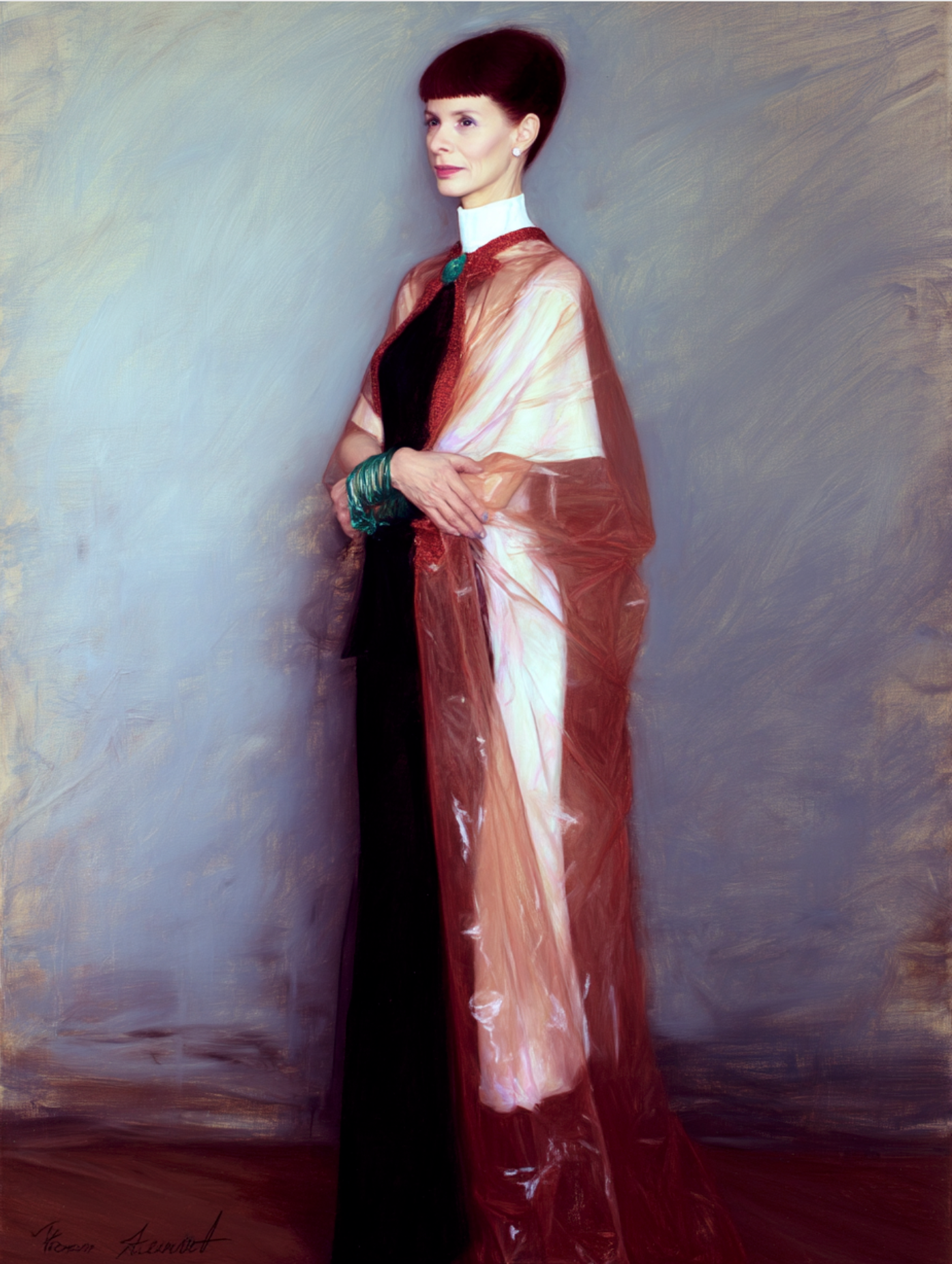
Portraiture is the theater of self.

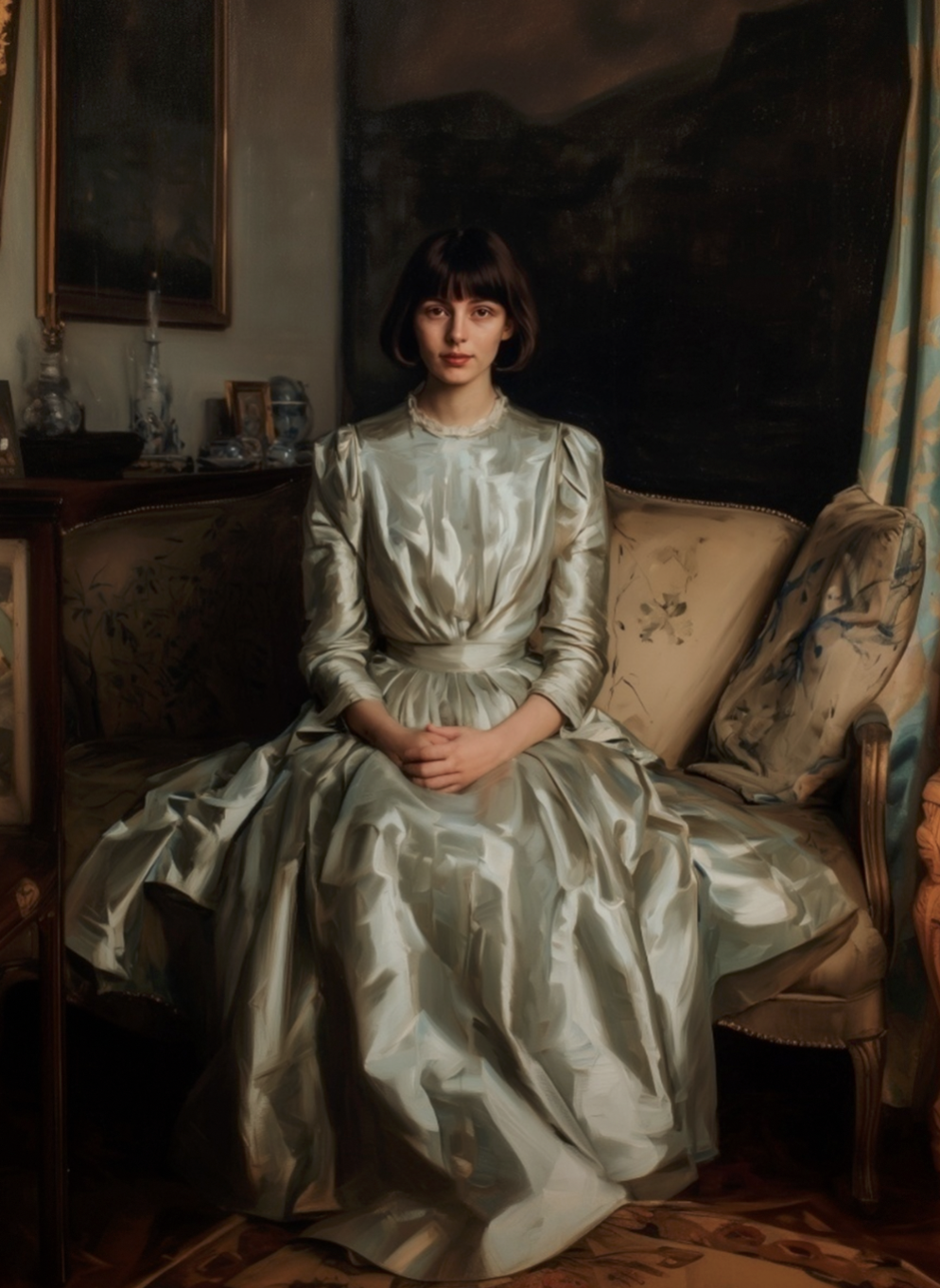
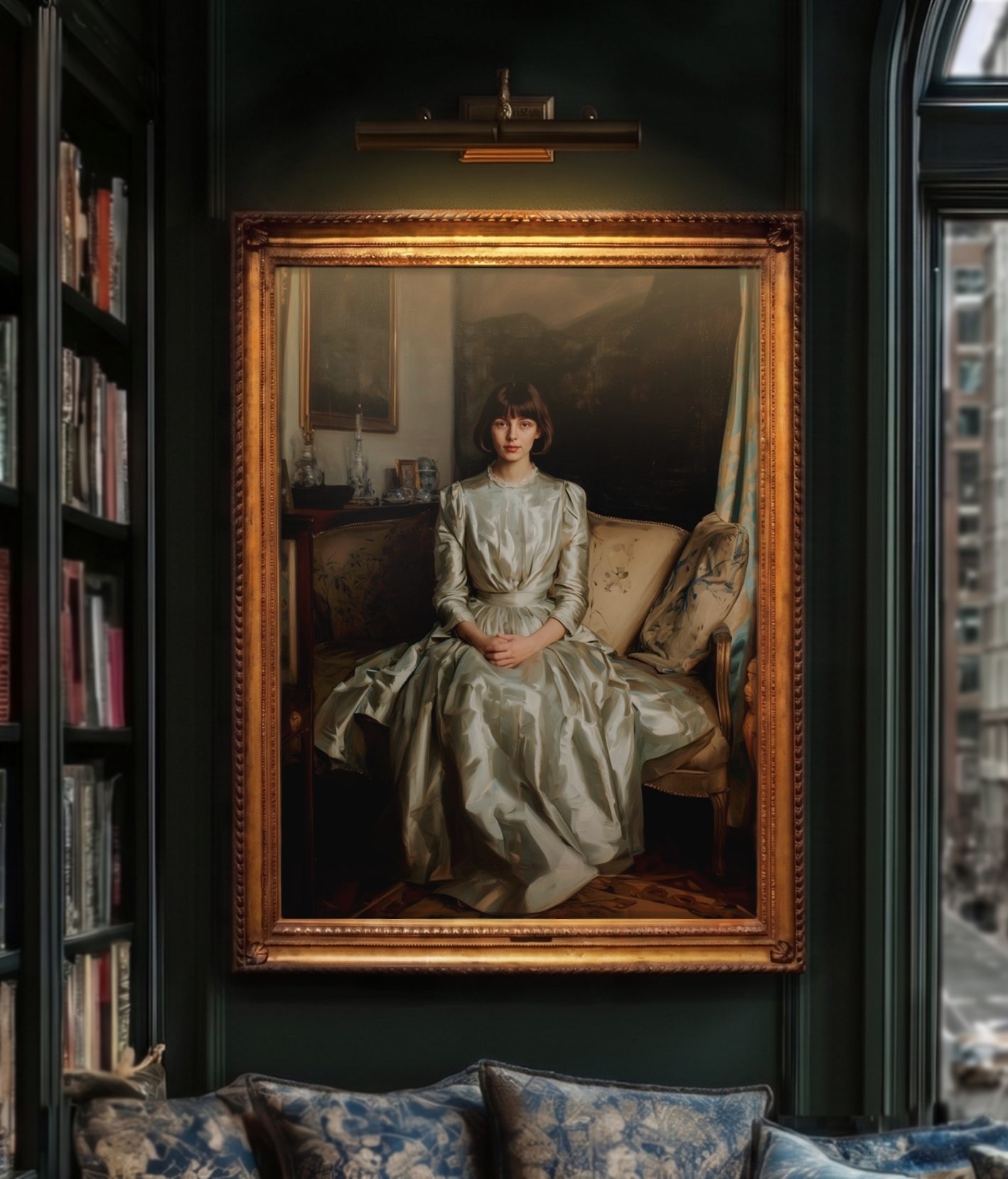
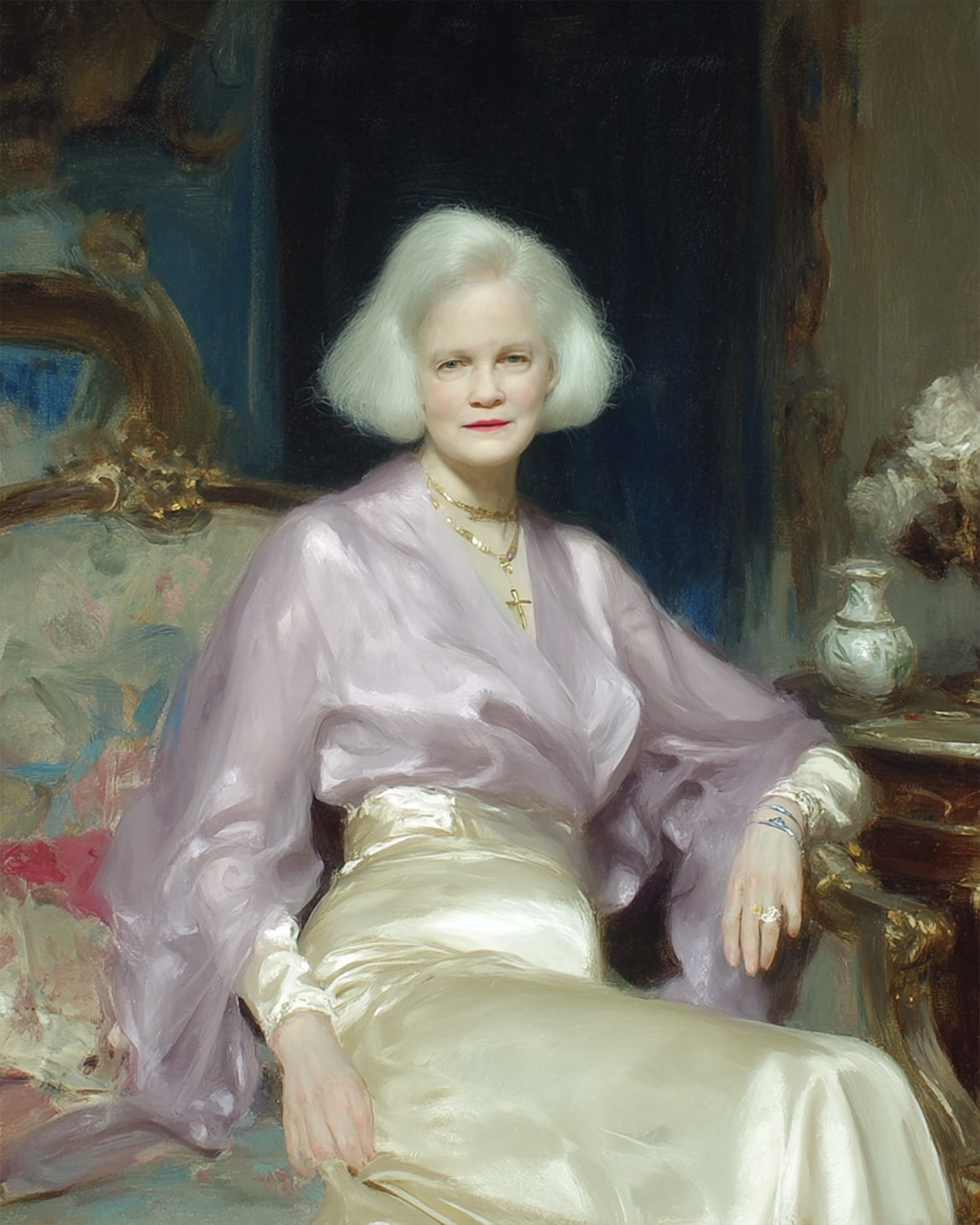
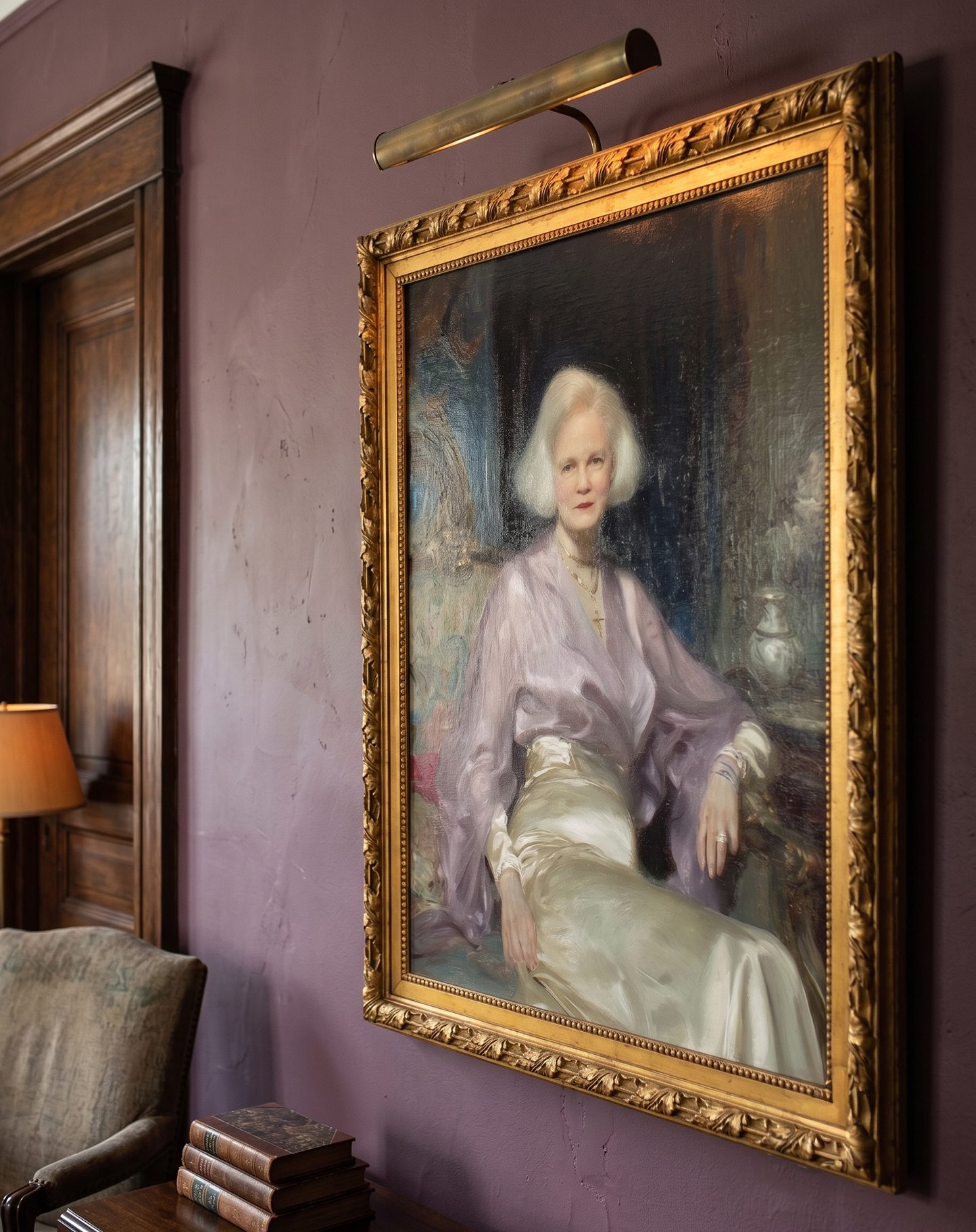
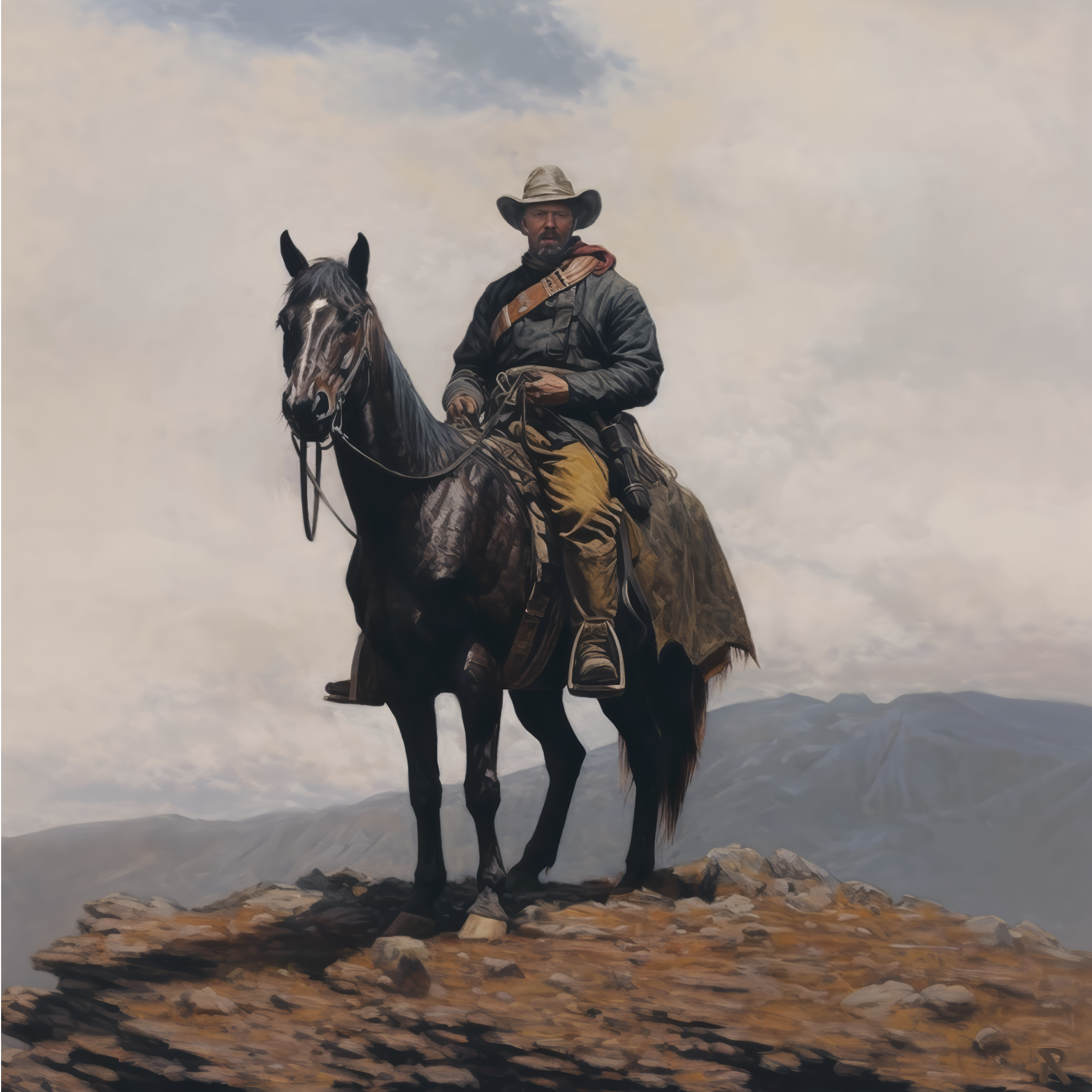
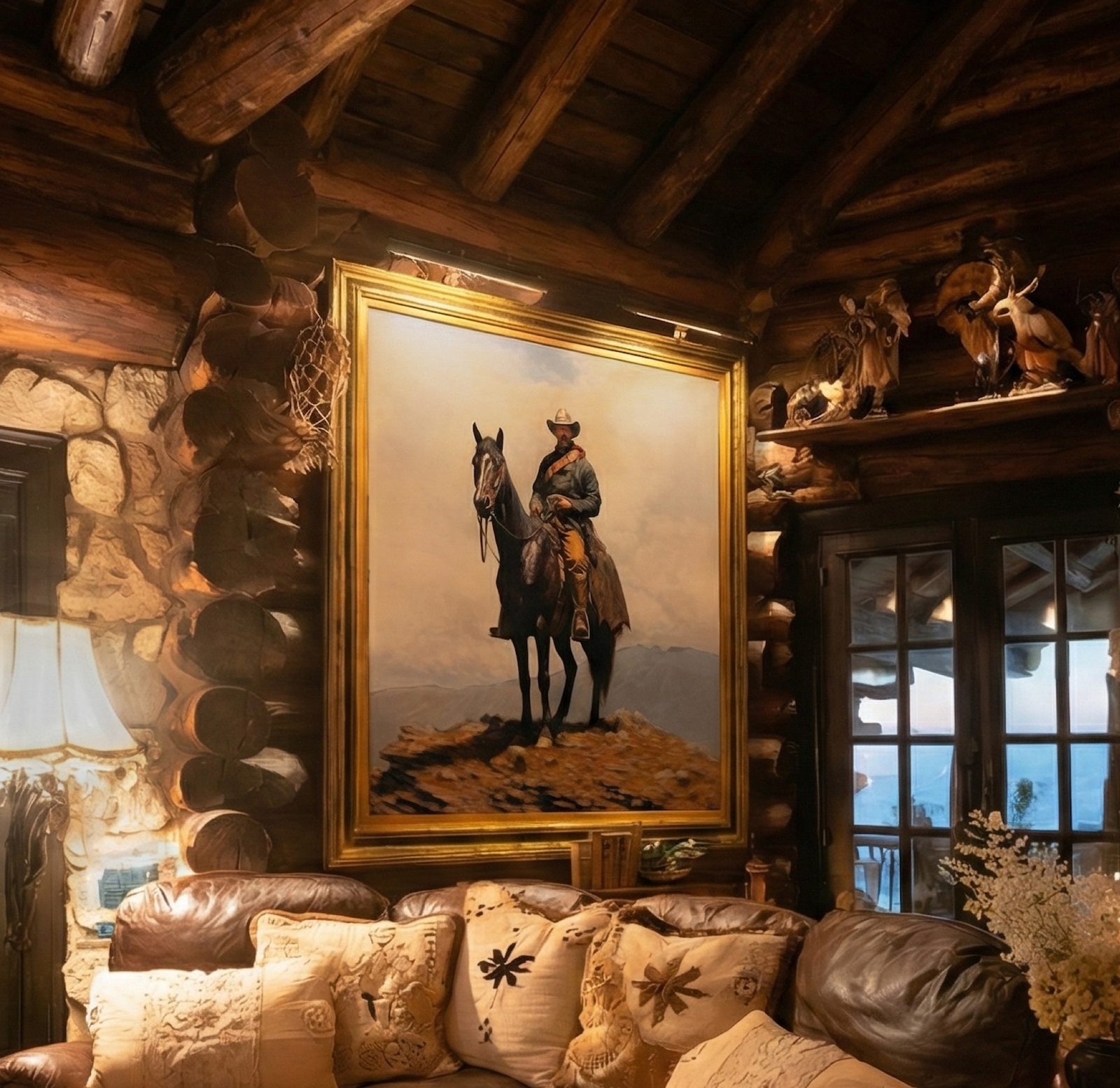

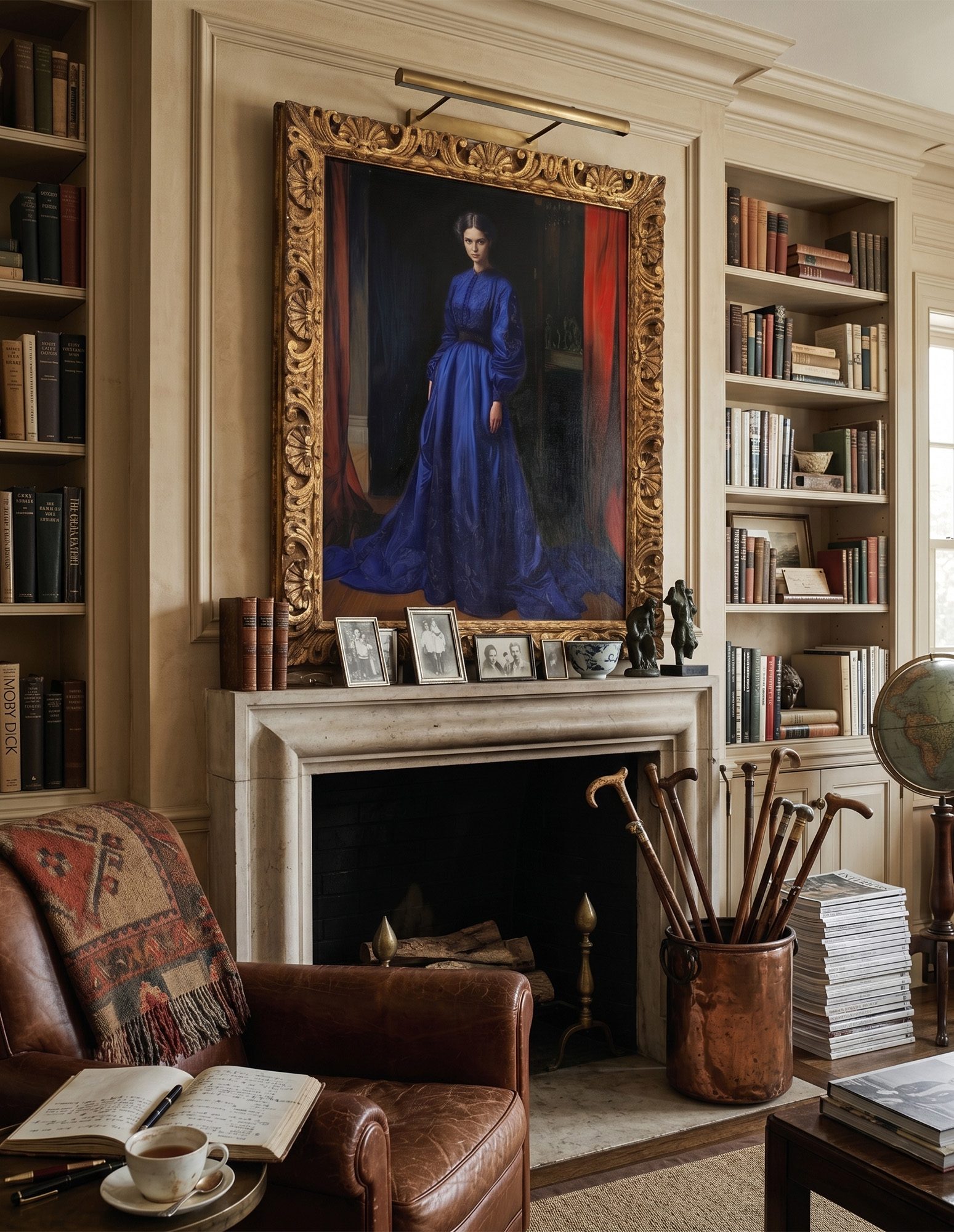
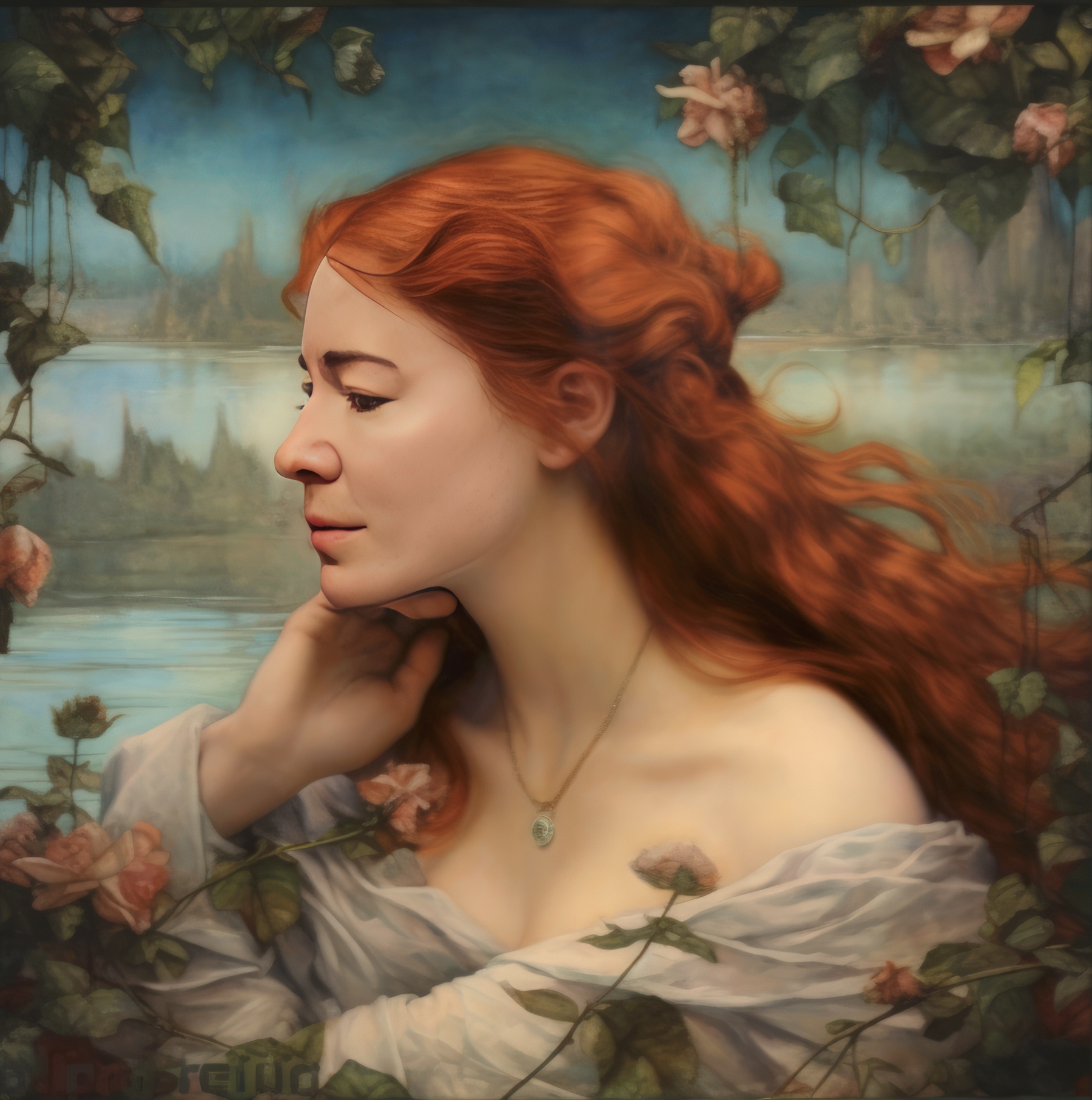
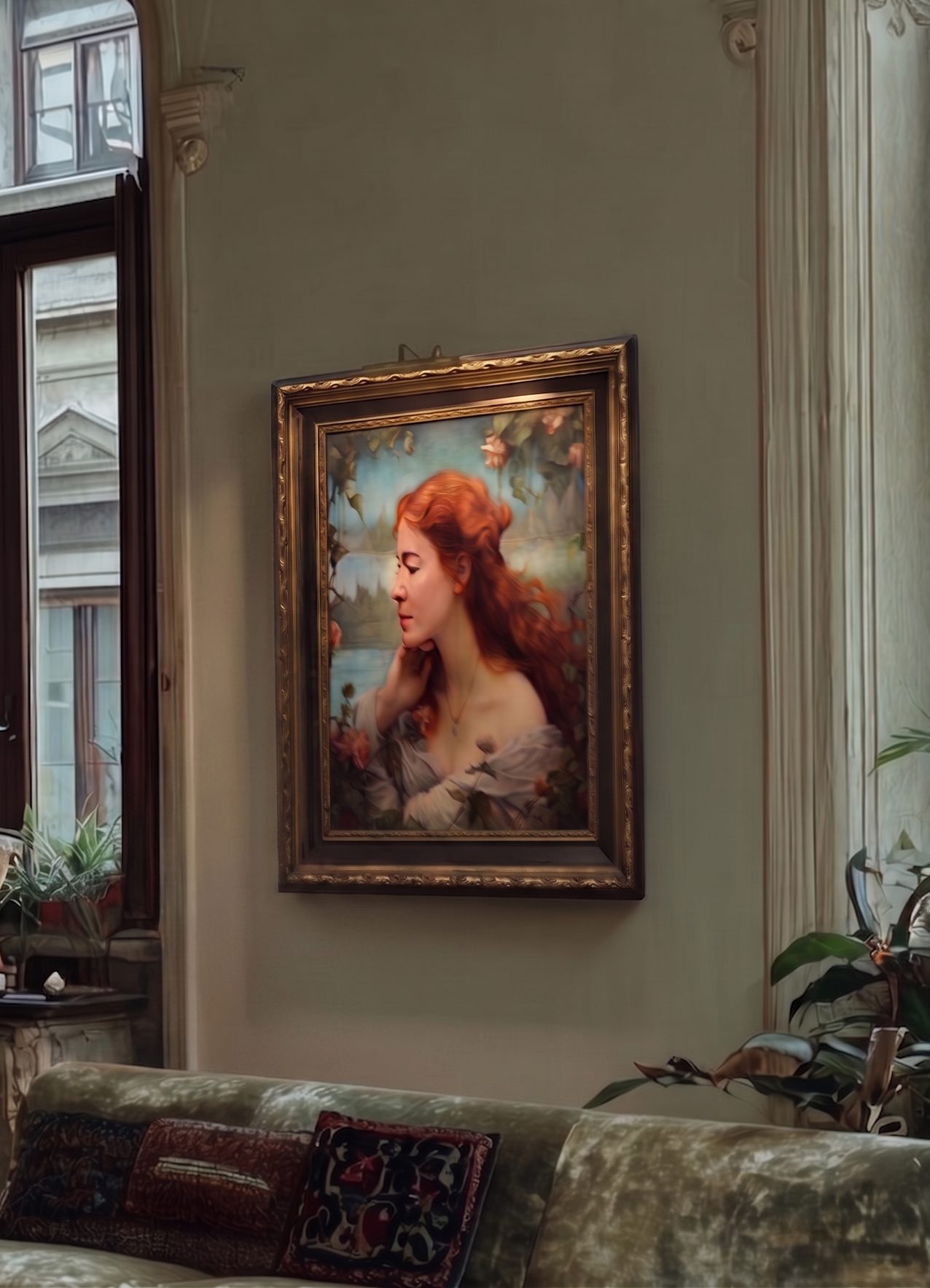
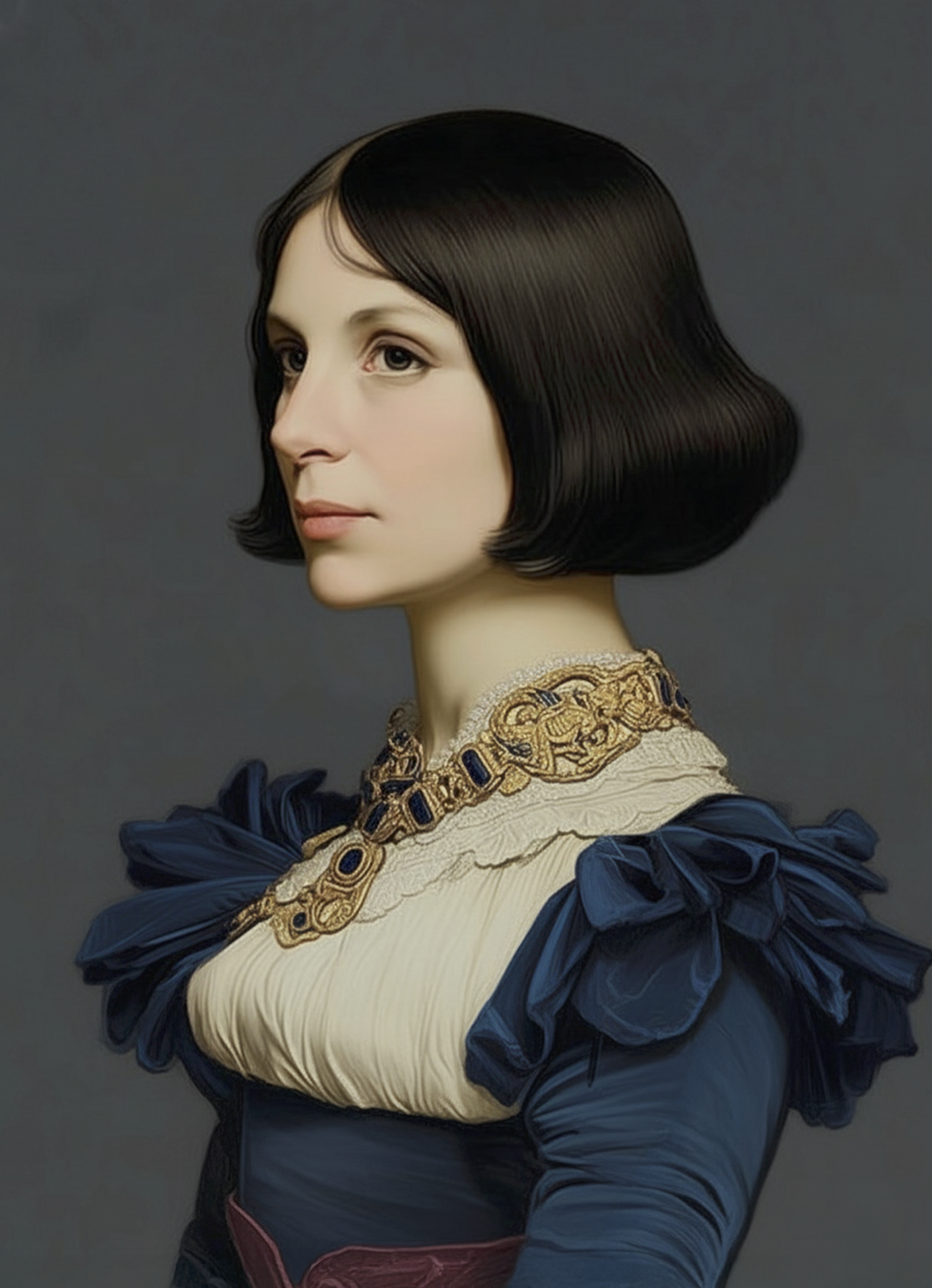
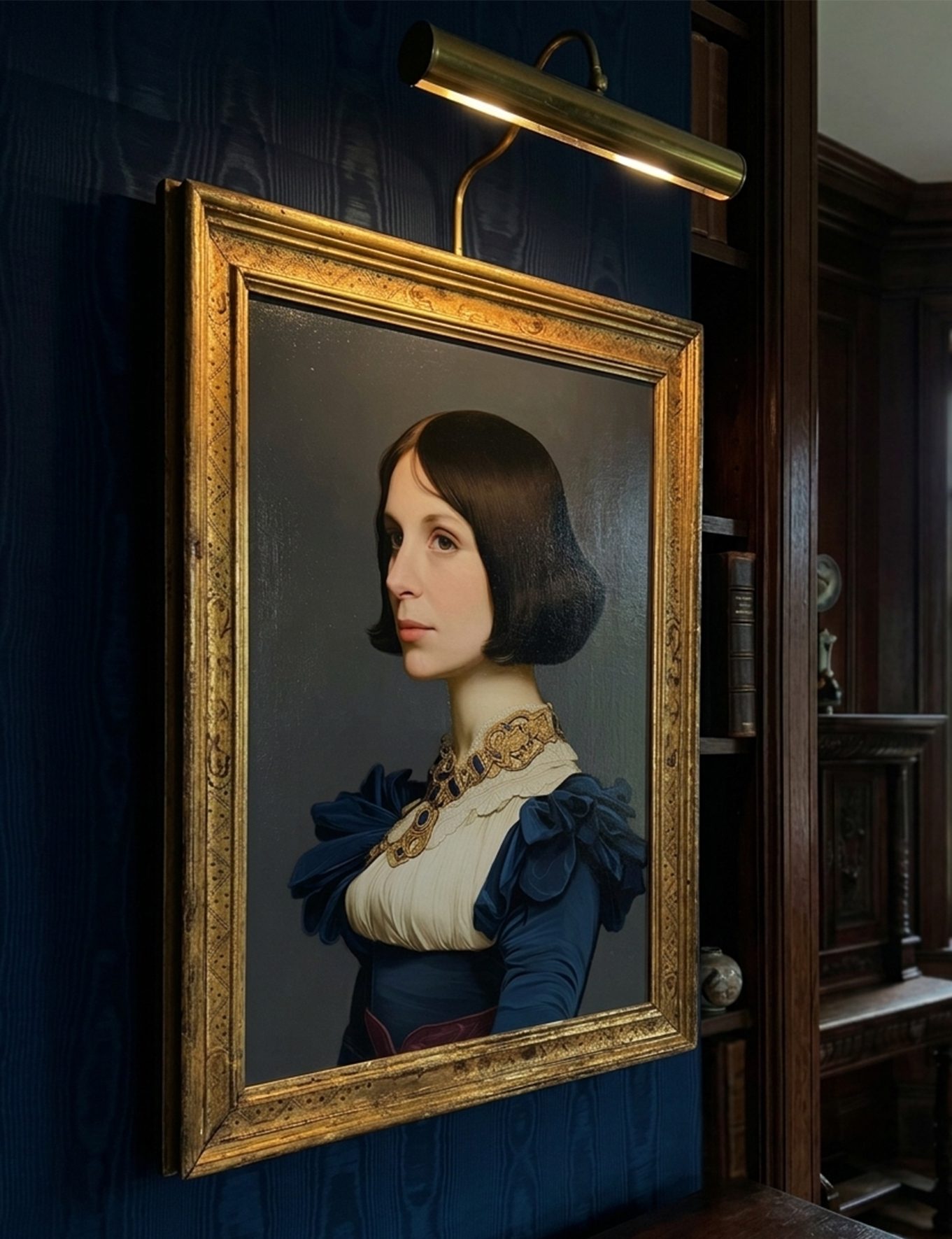
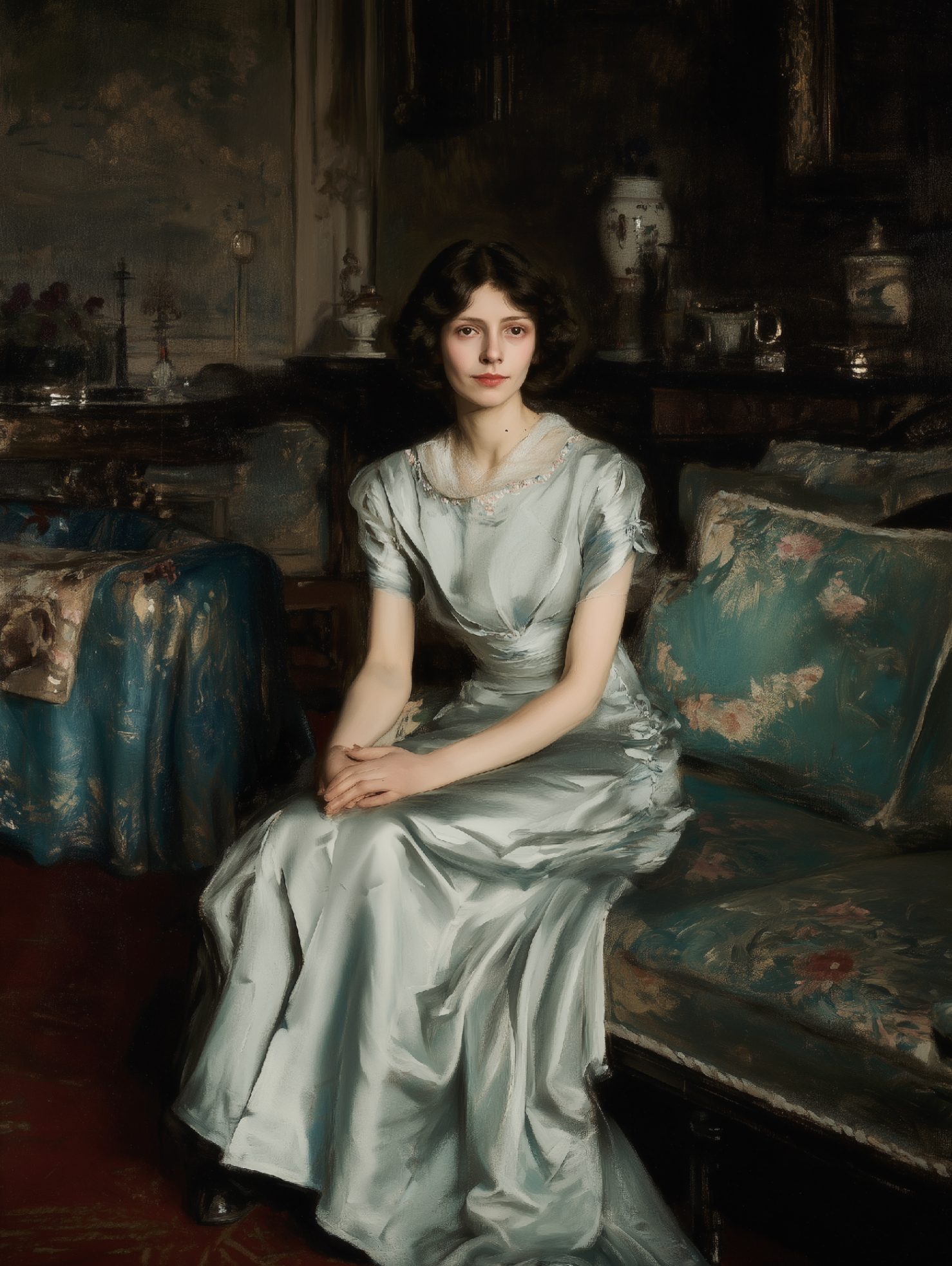
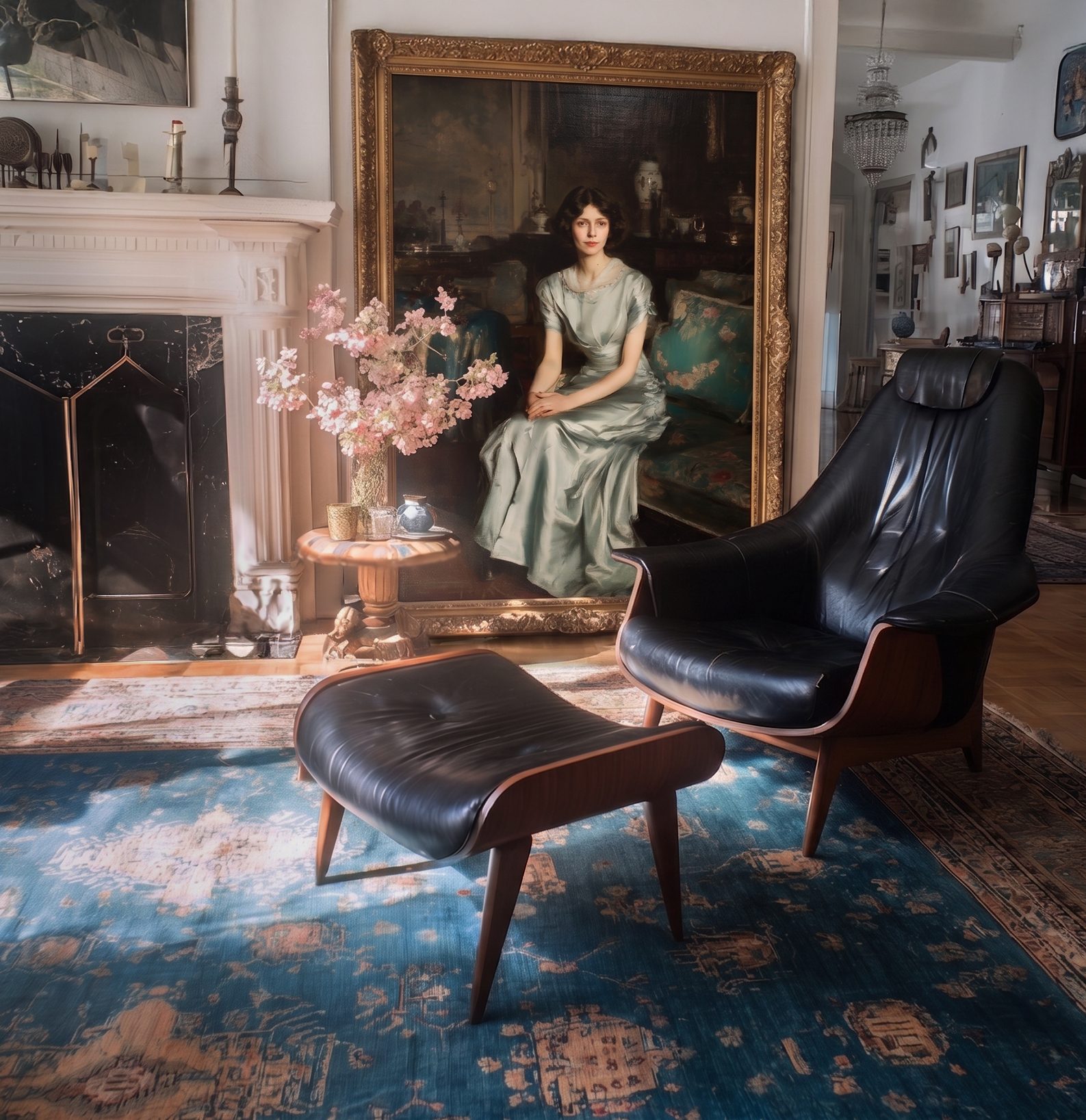
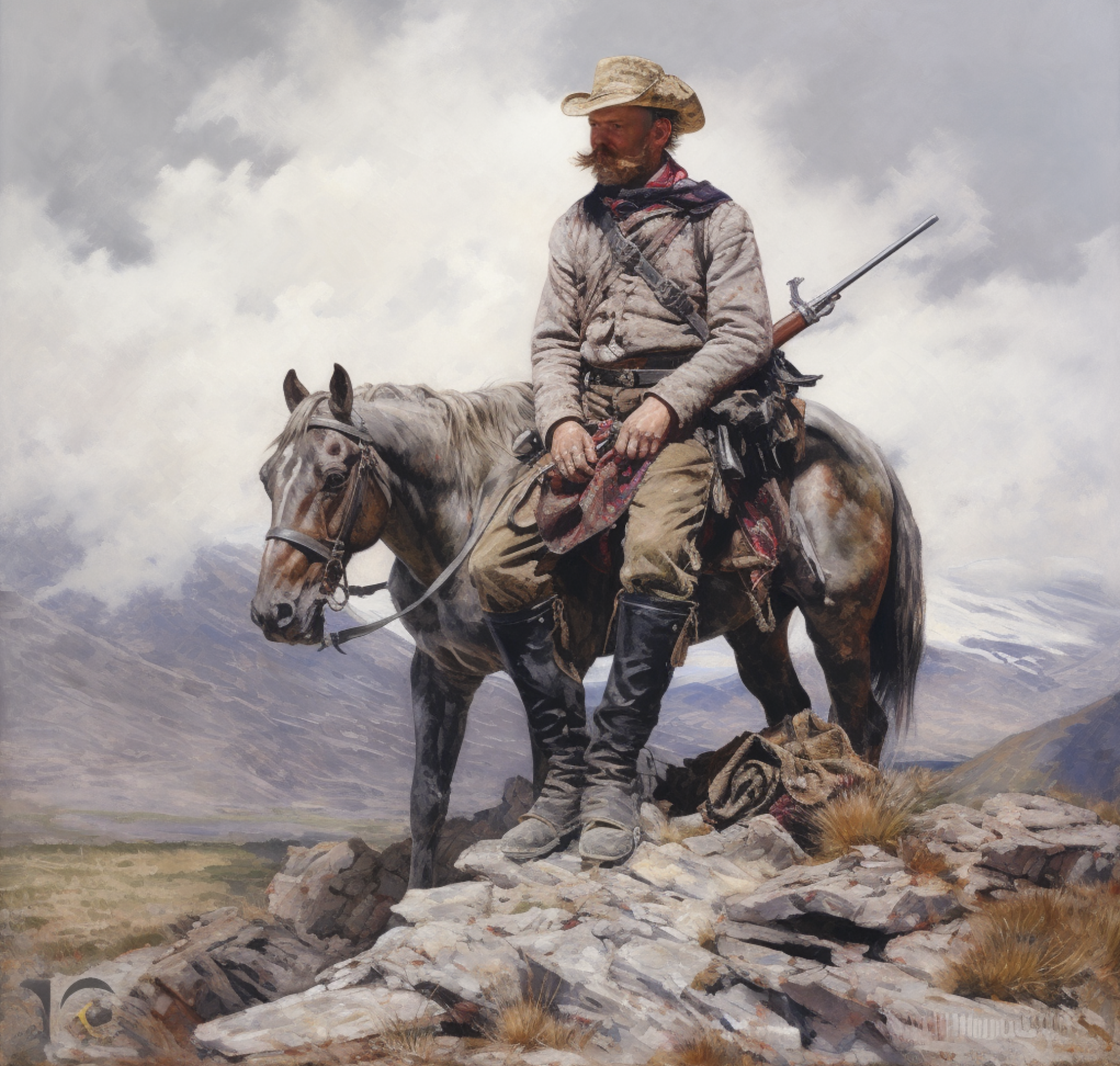
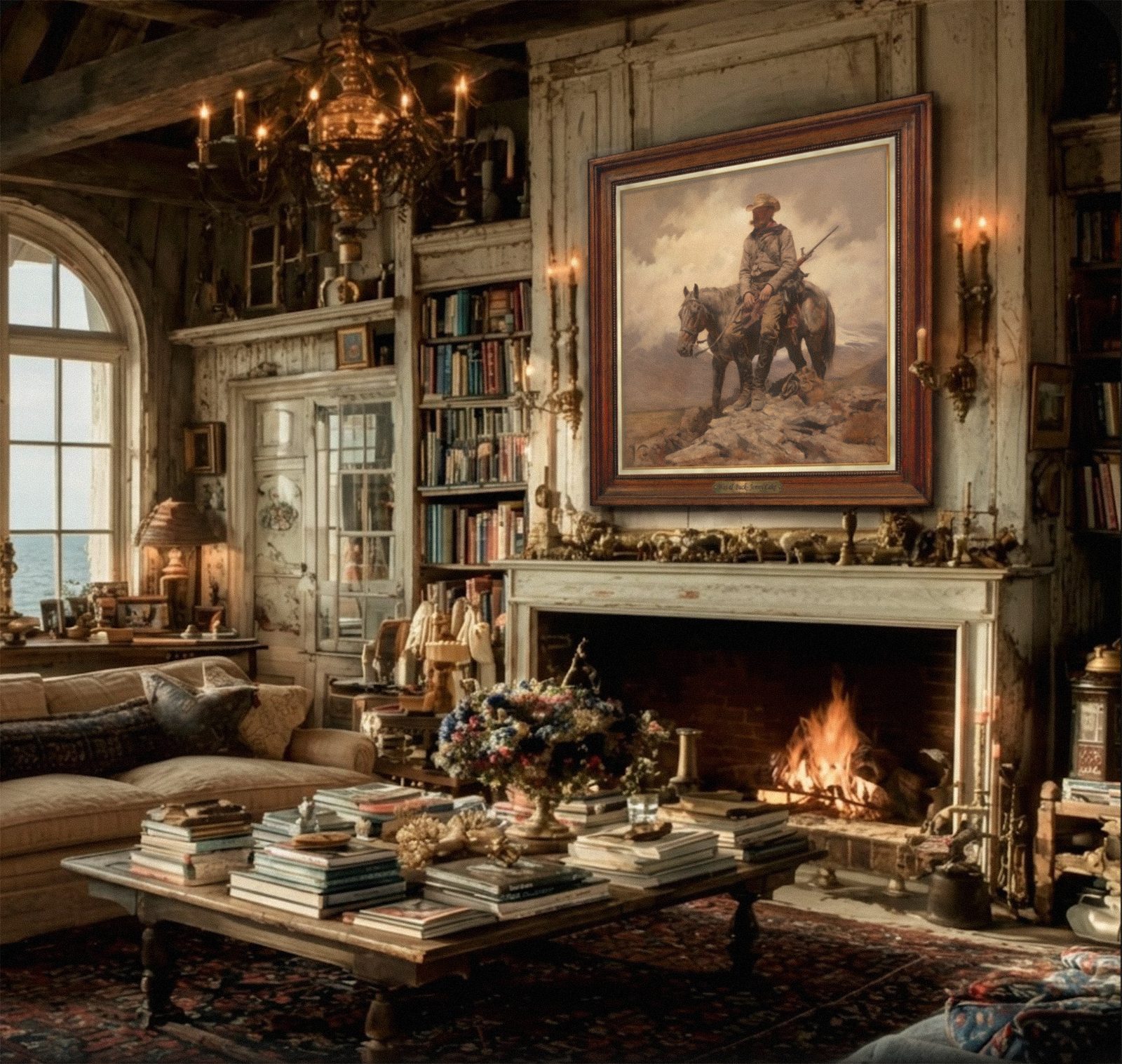
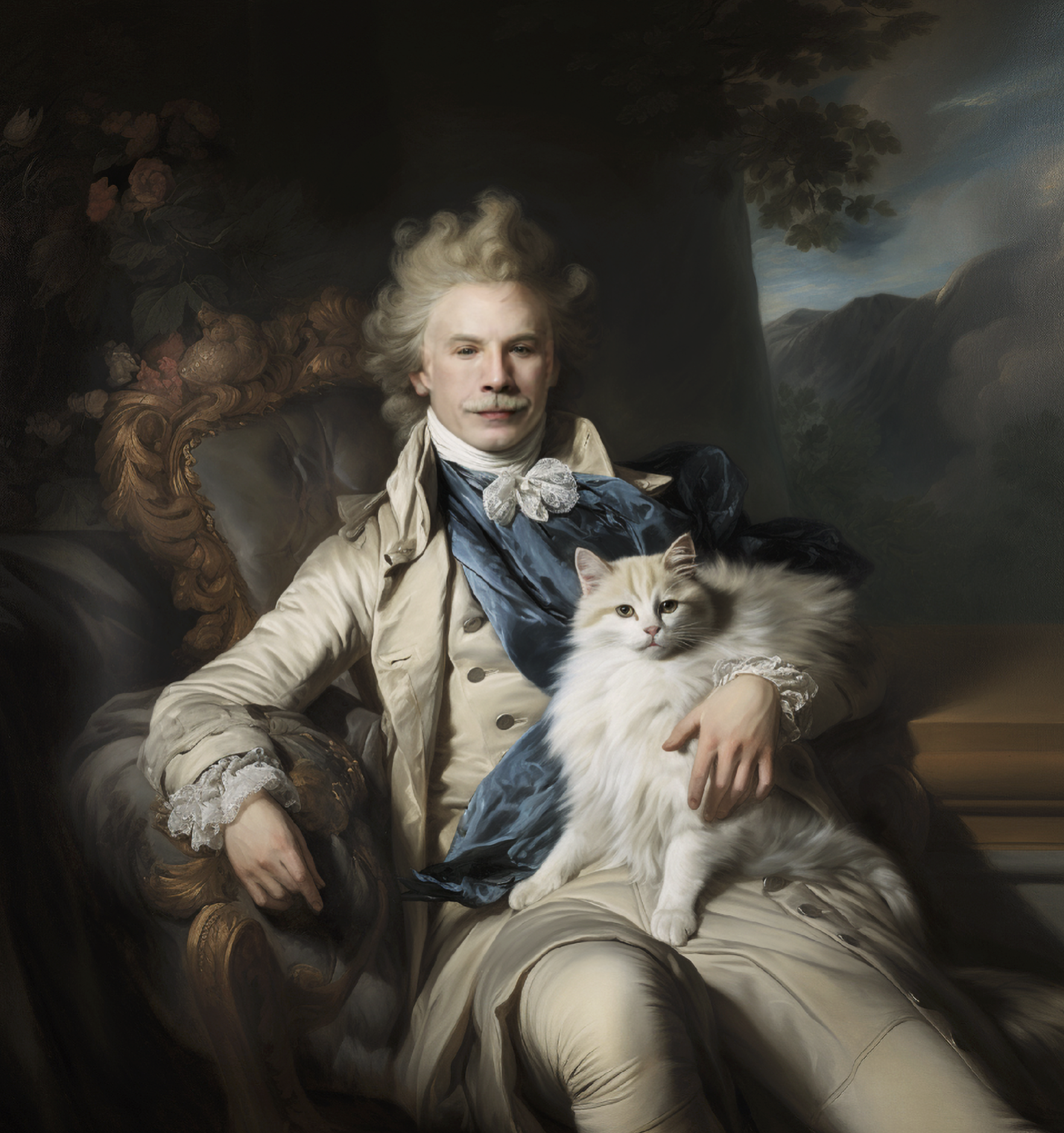
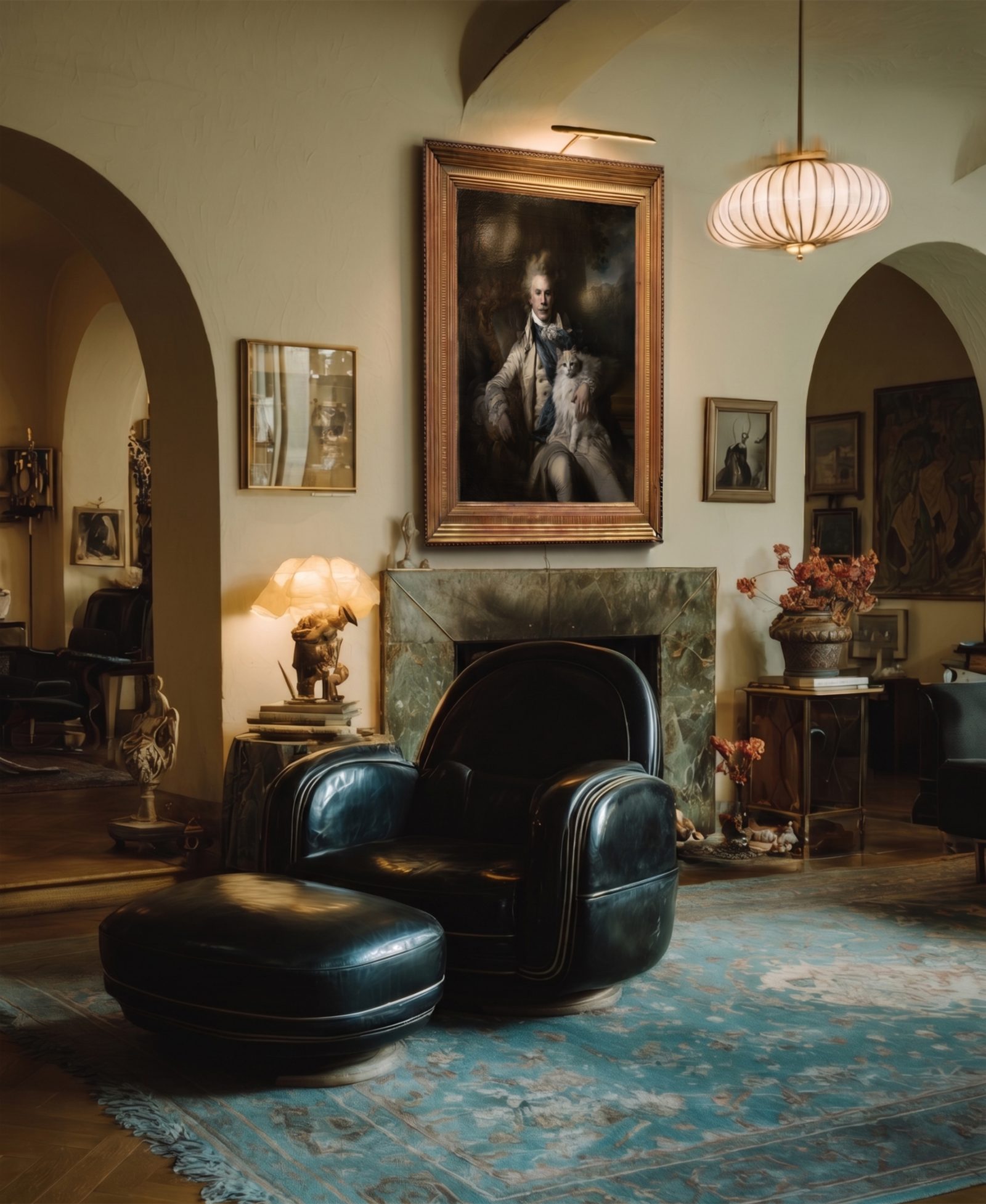
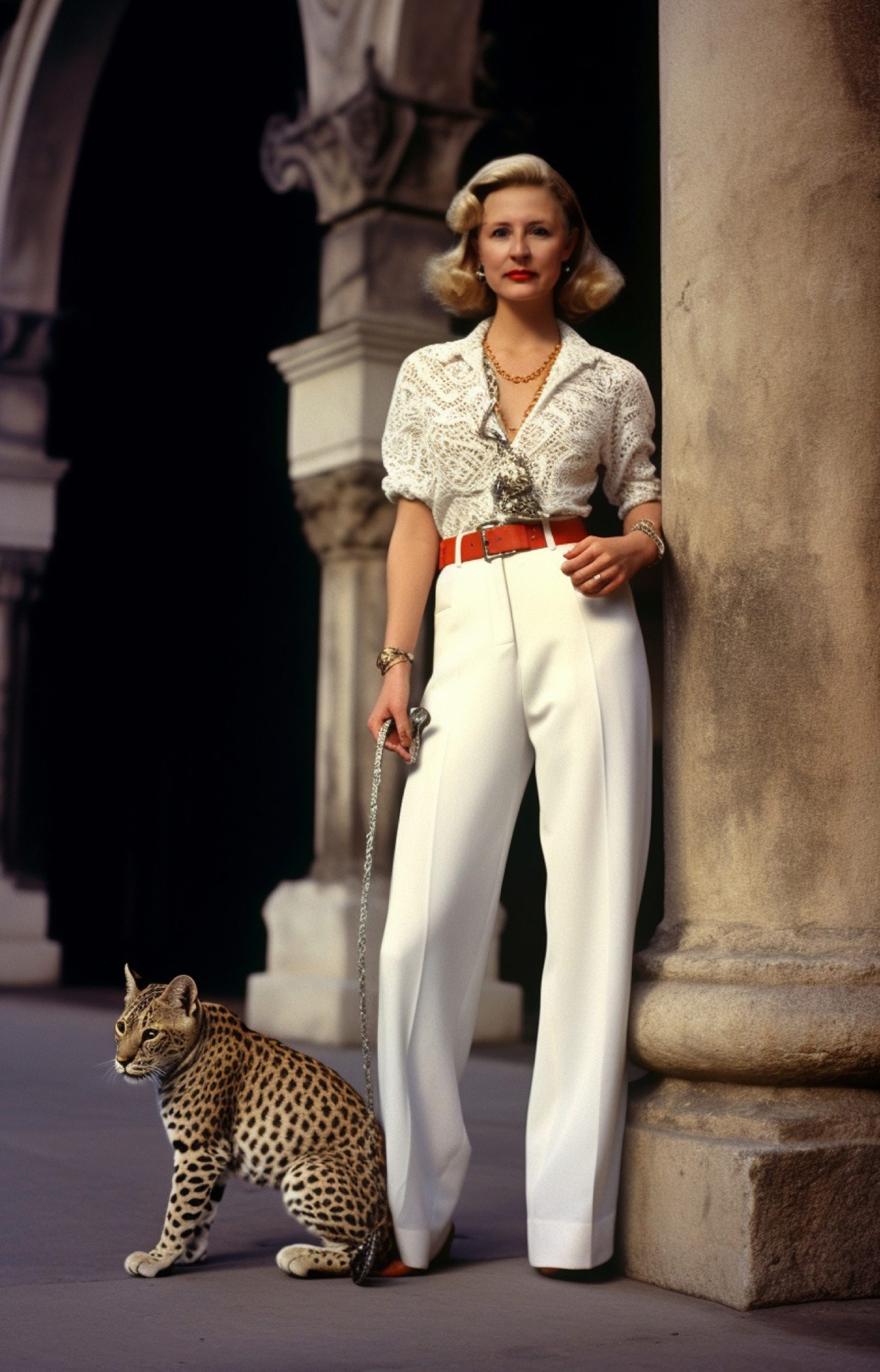
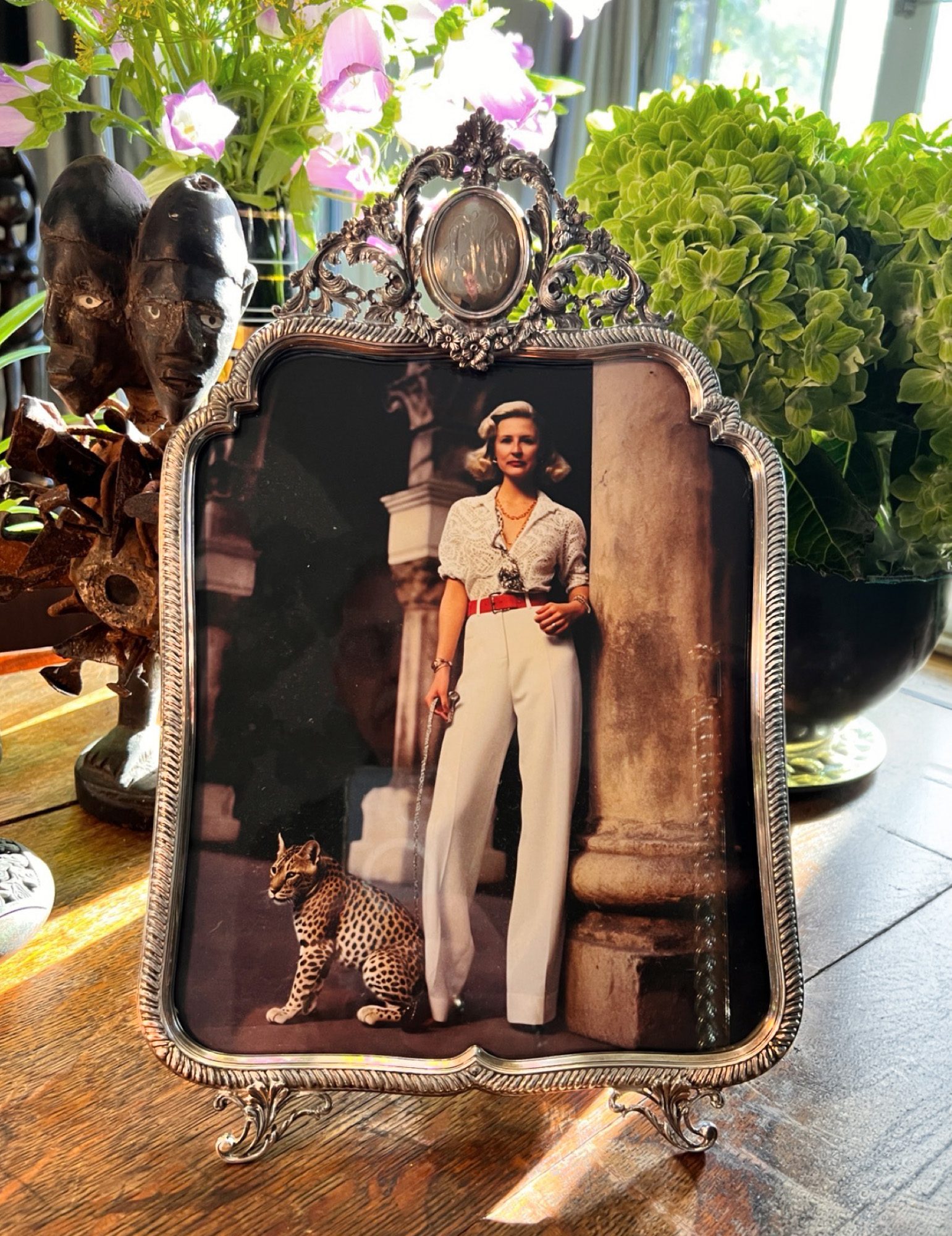
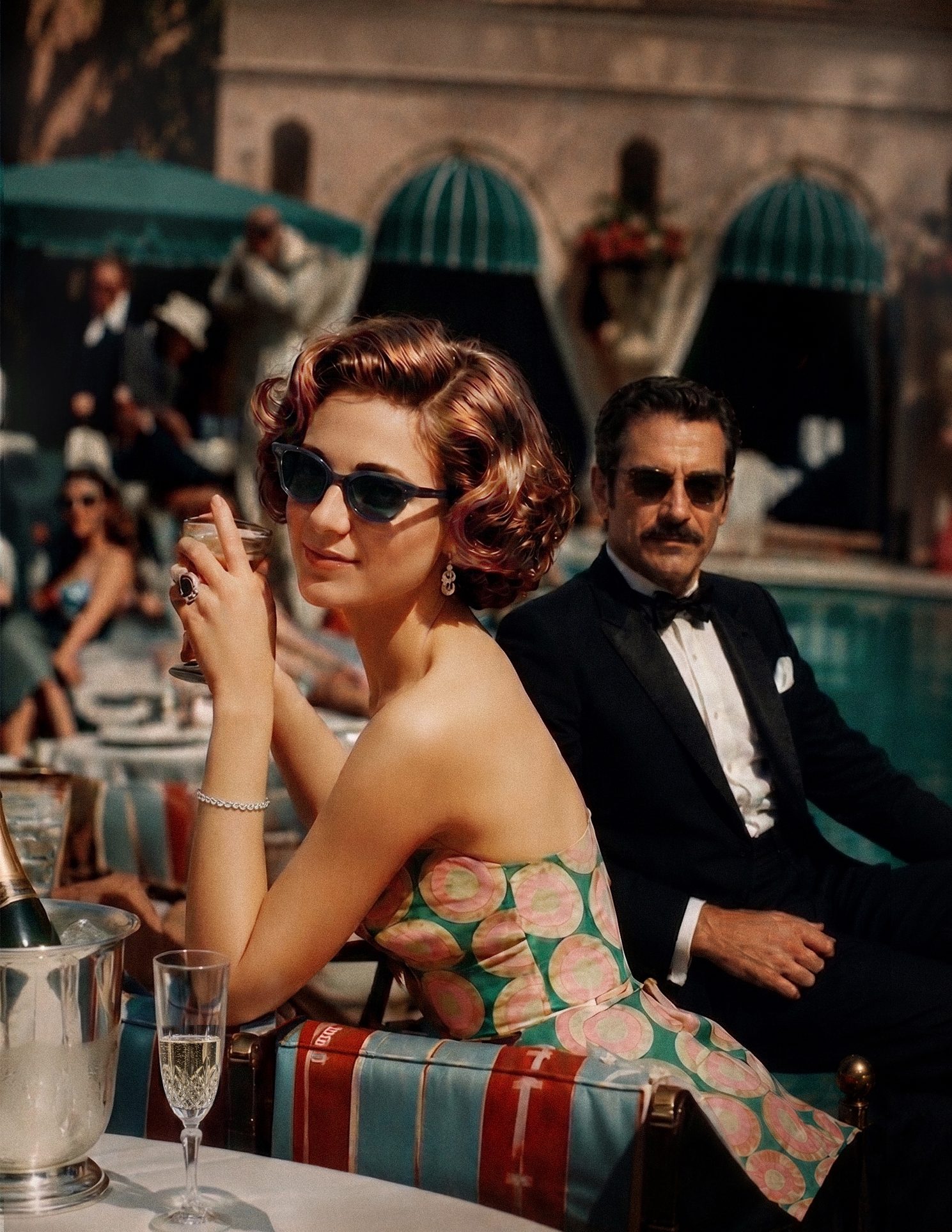
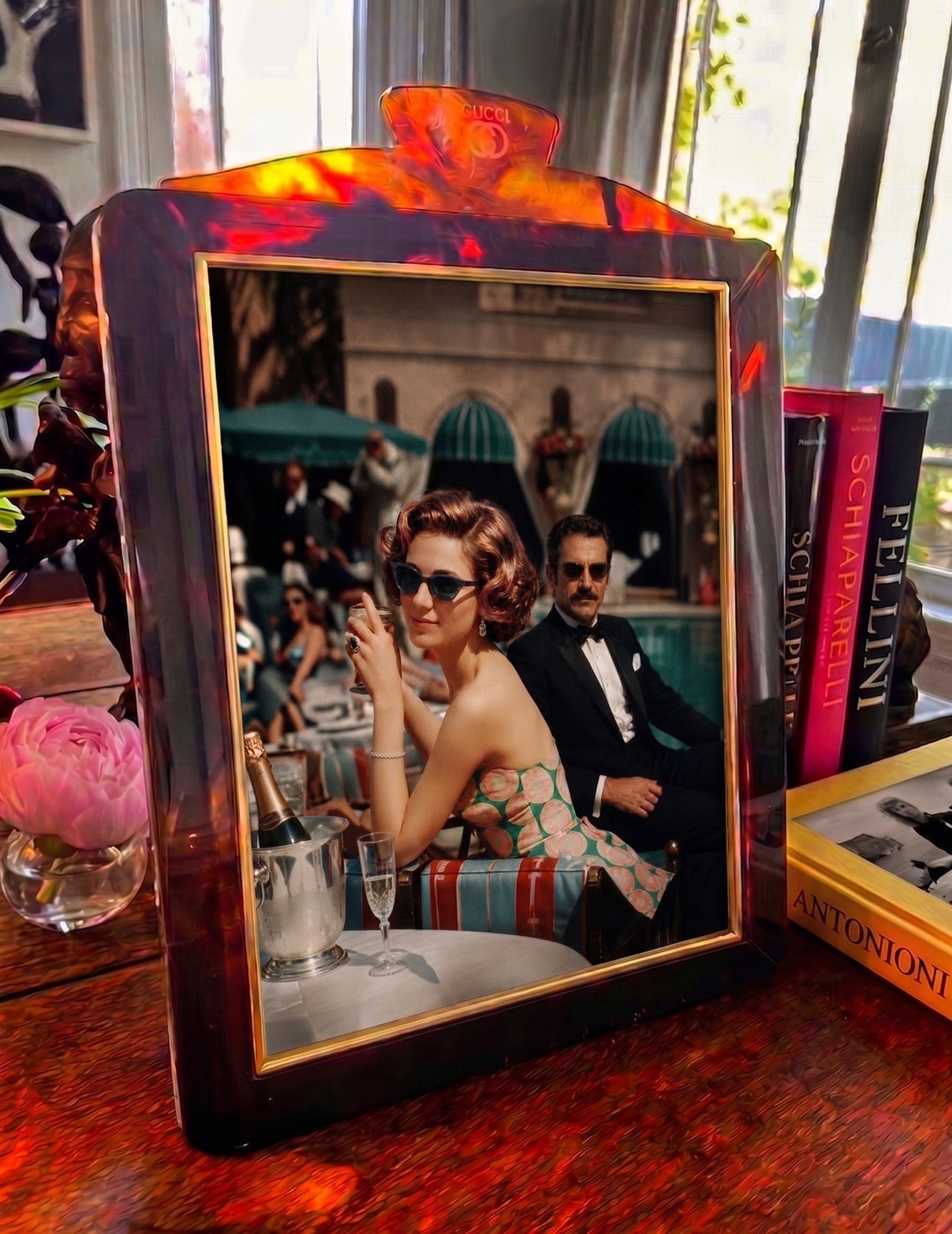
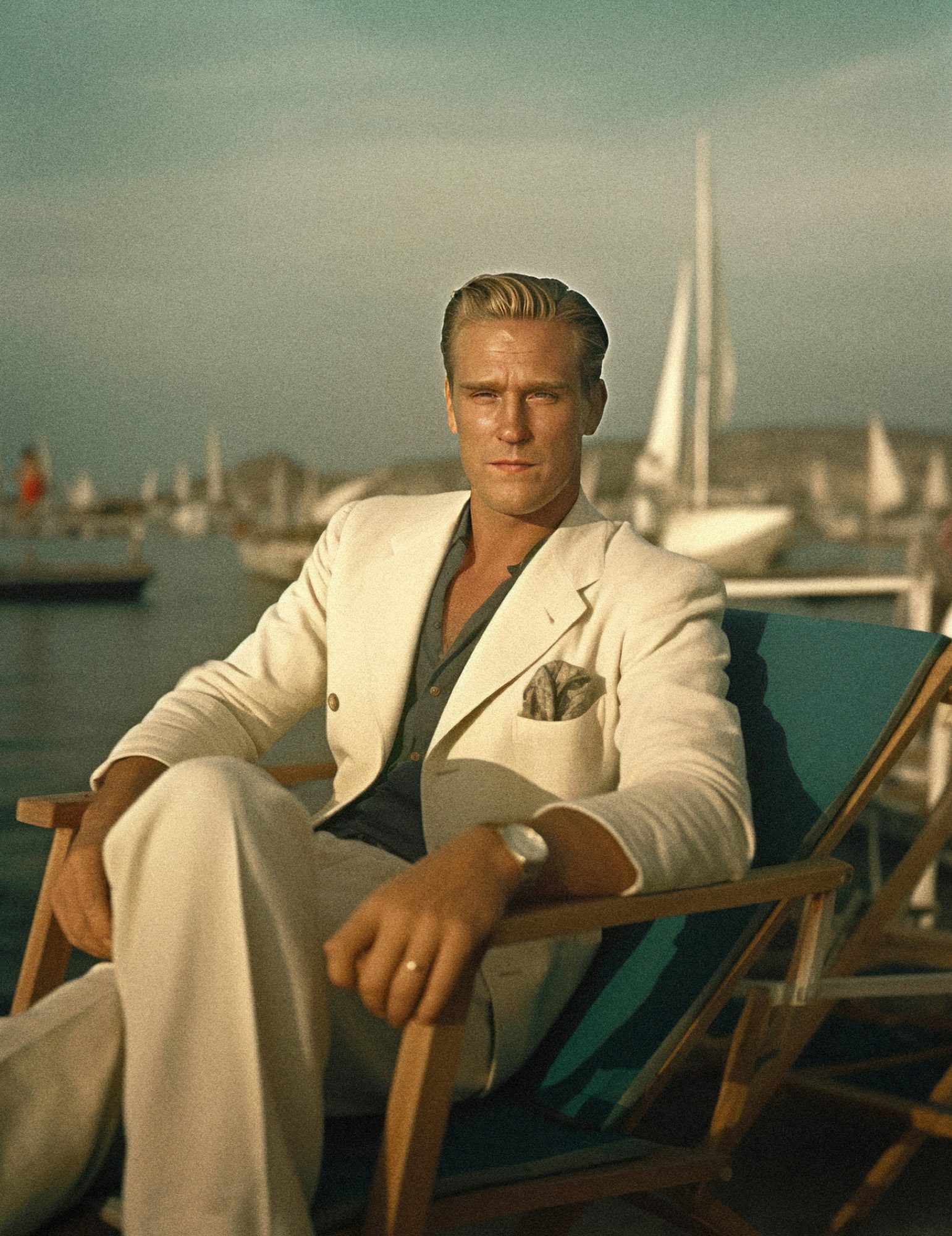
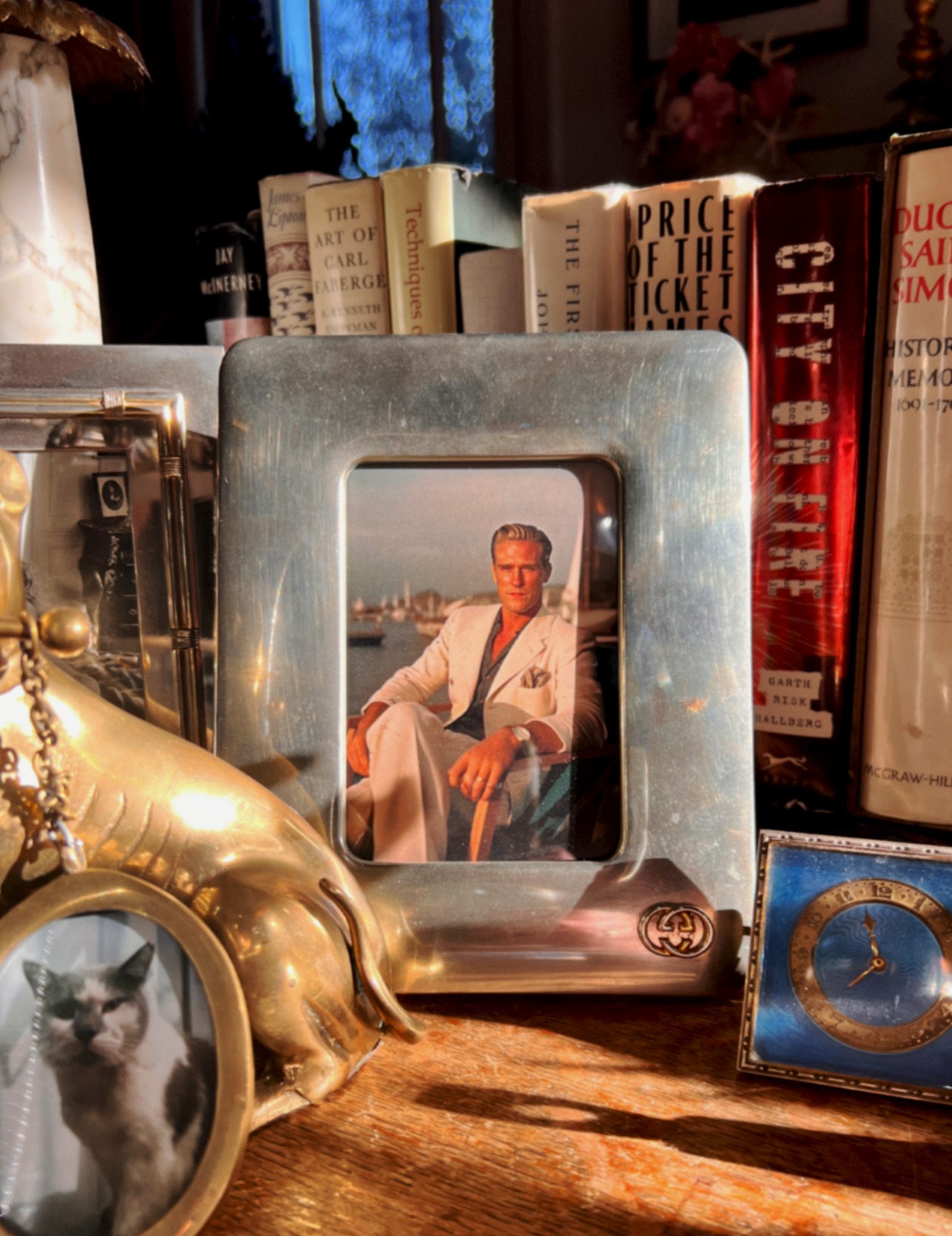
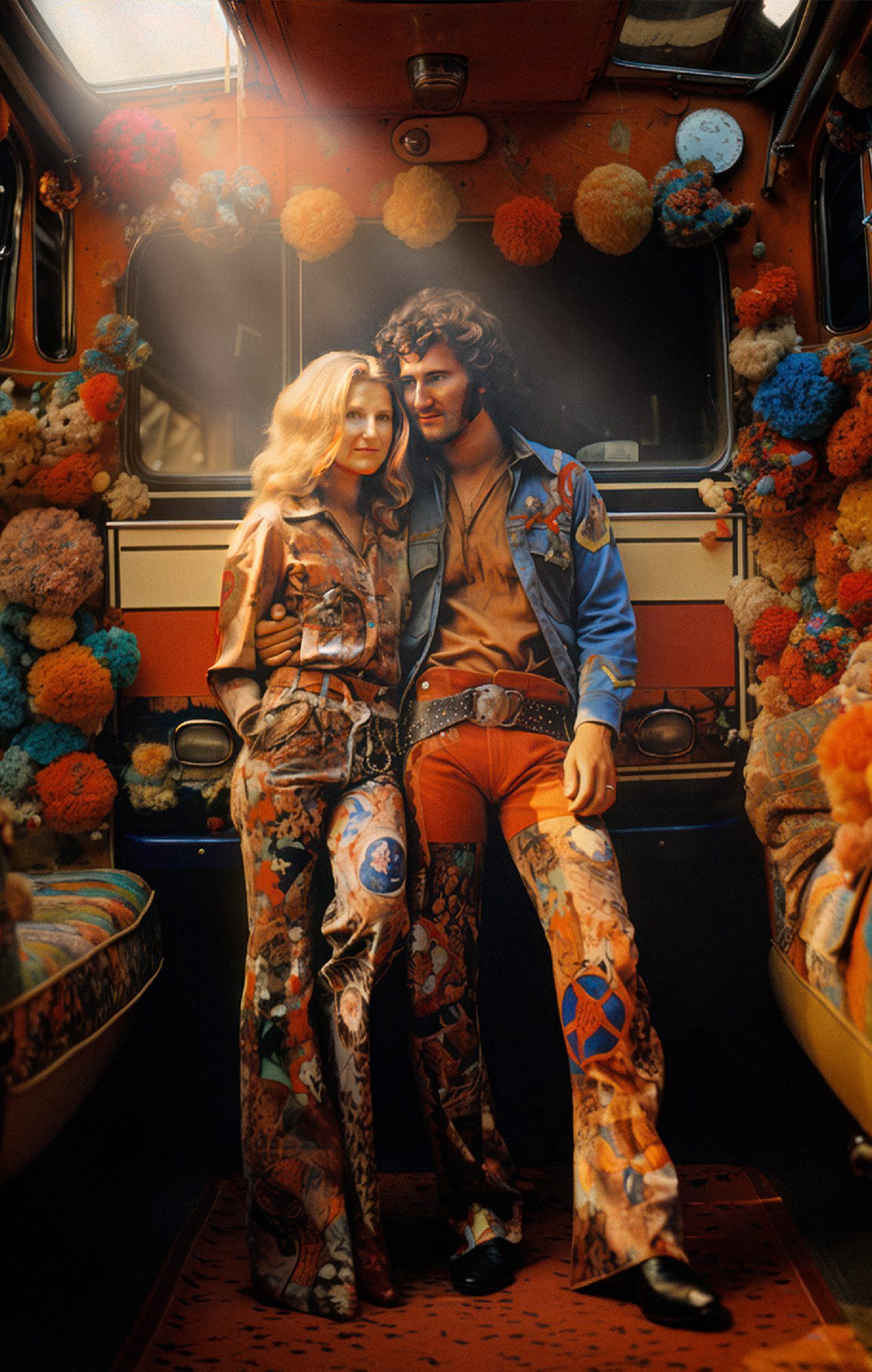
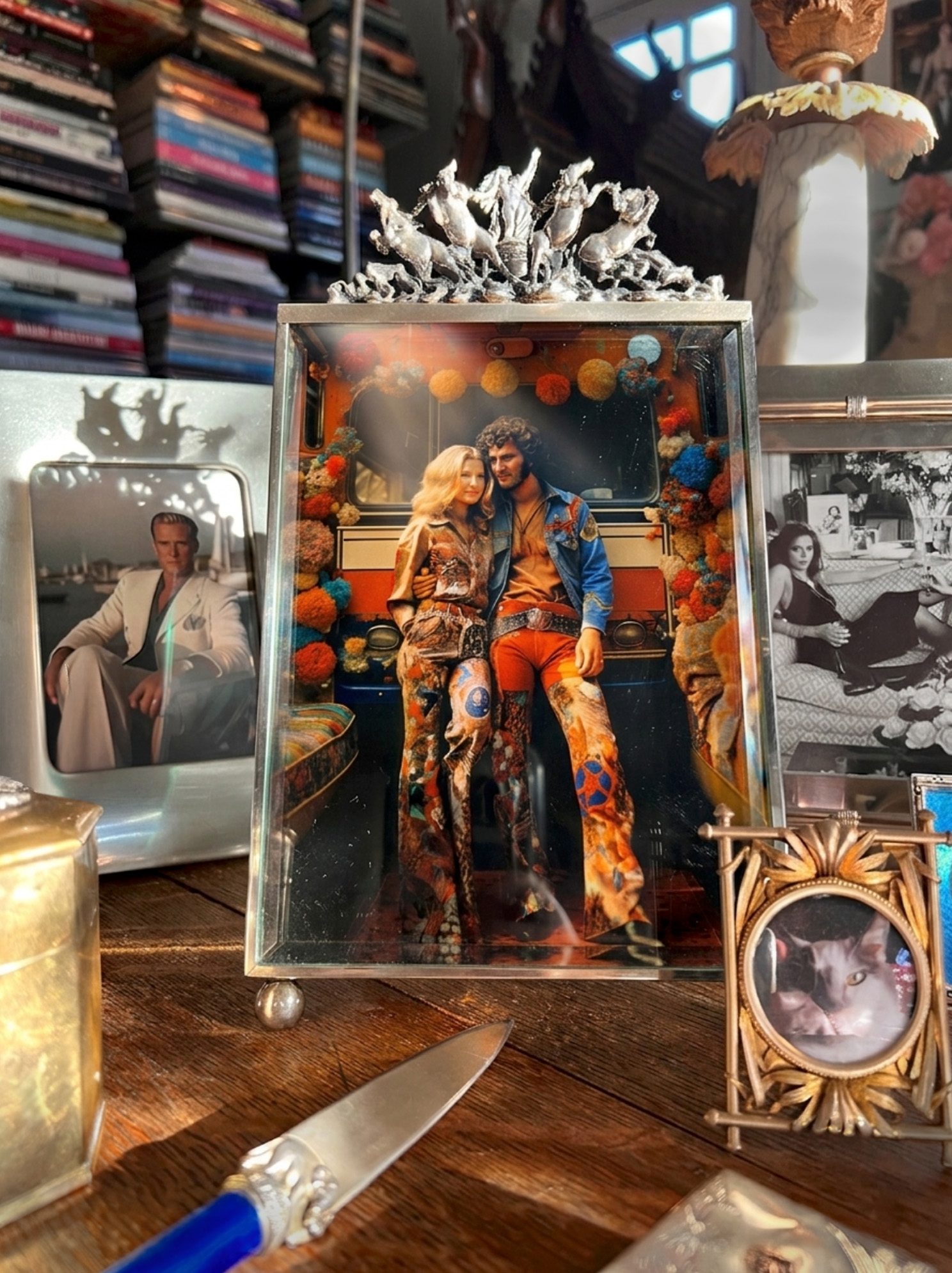
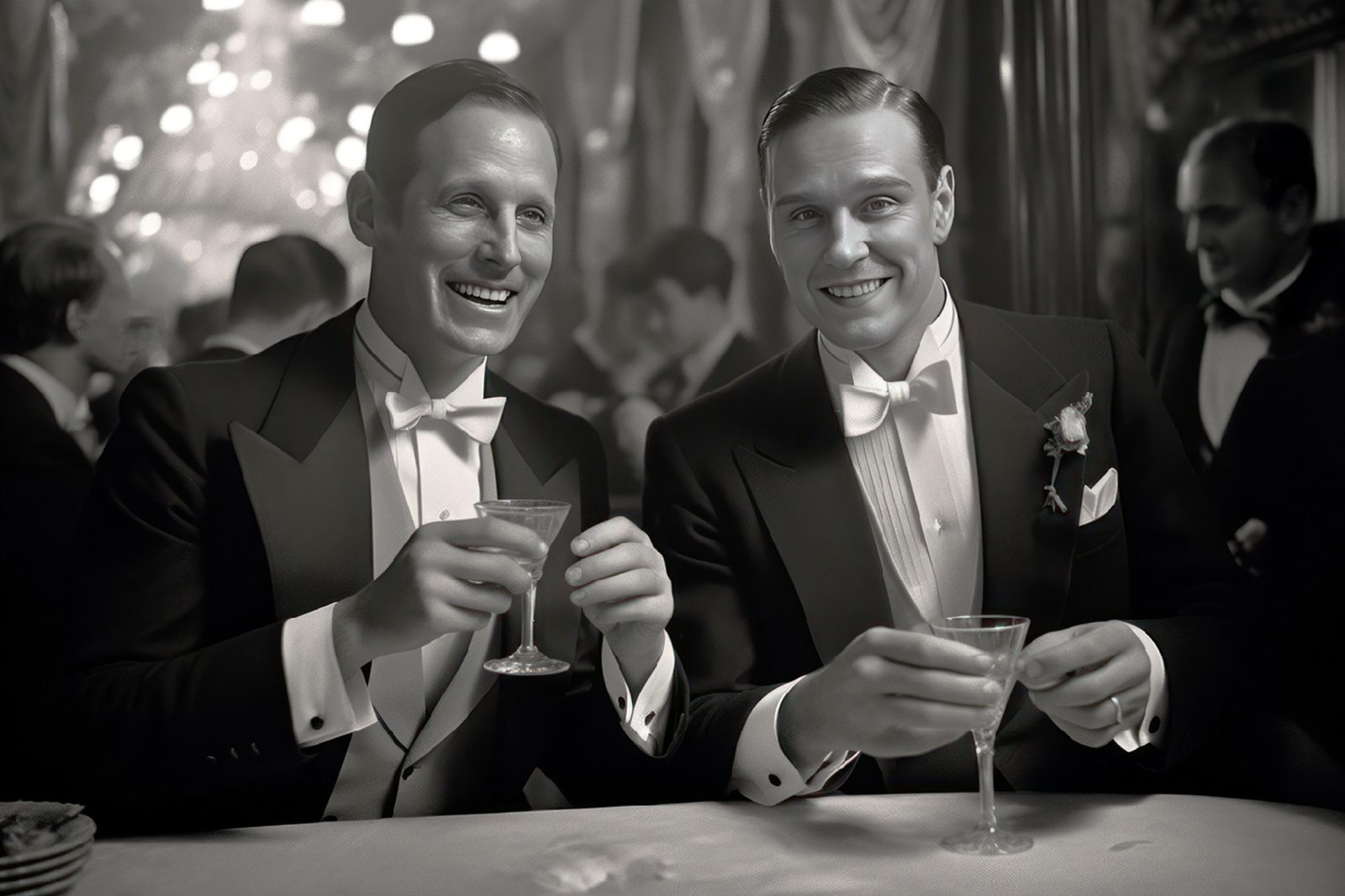
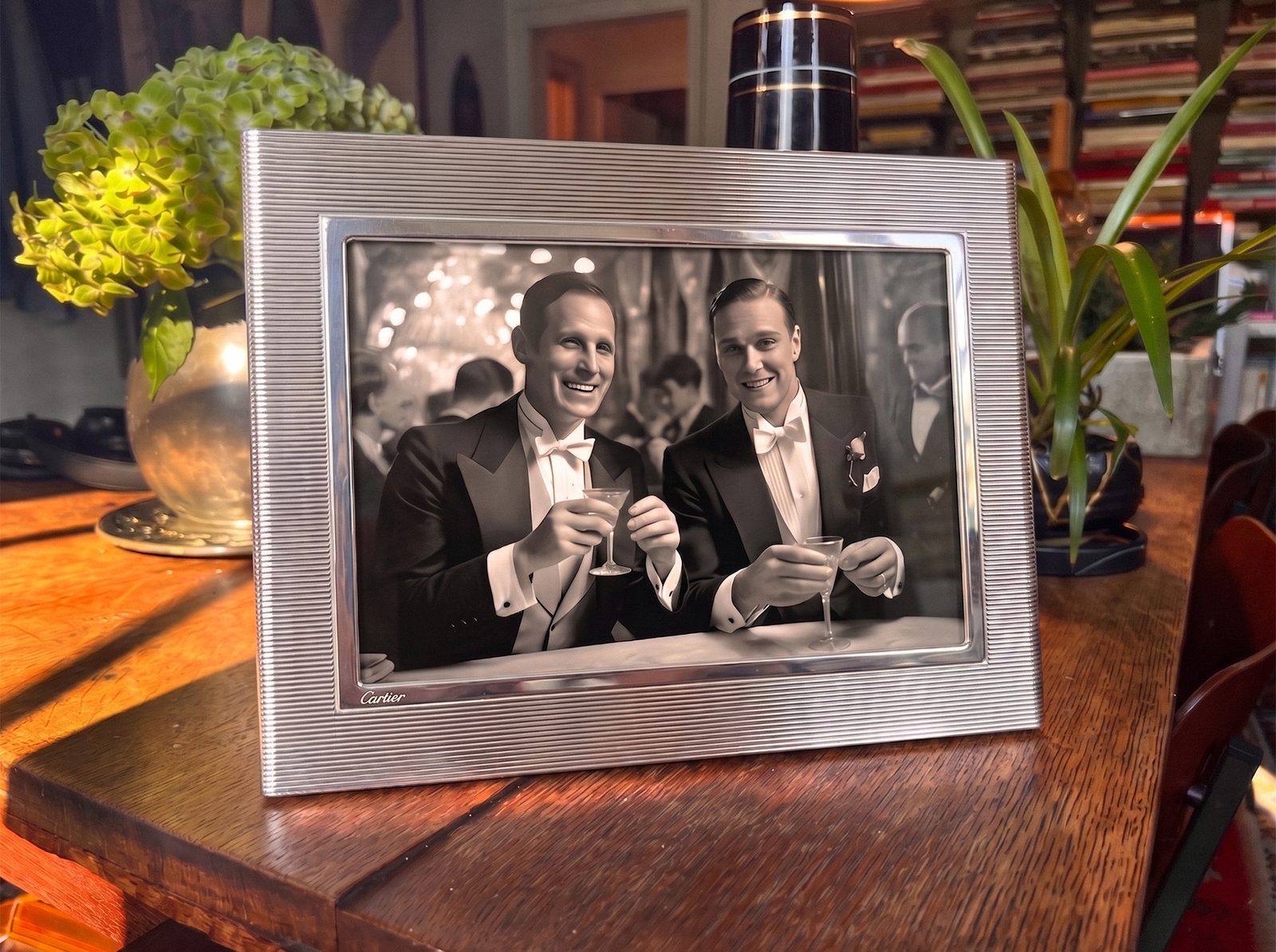
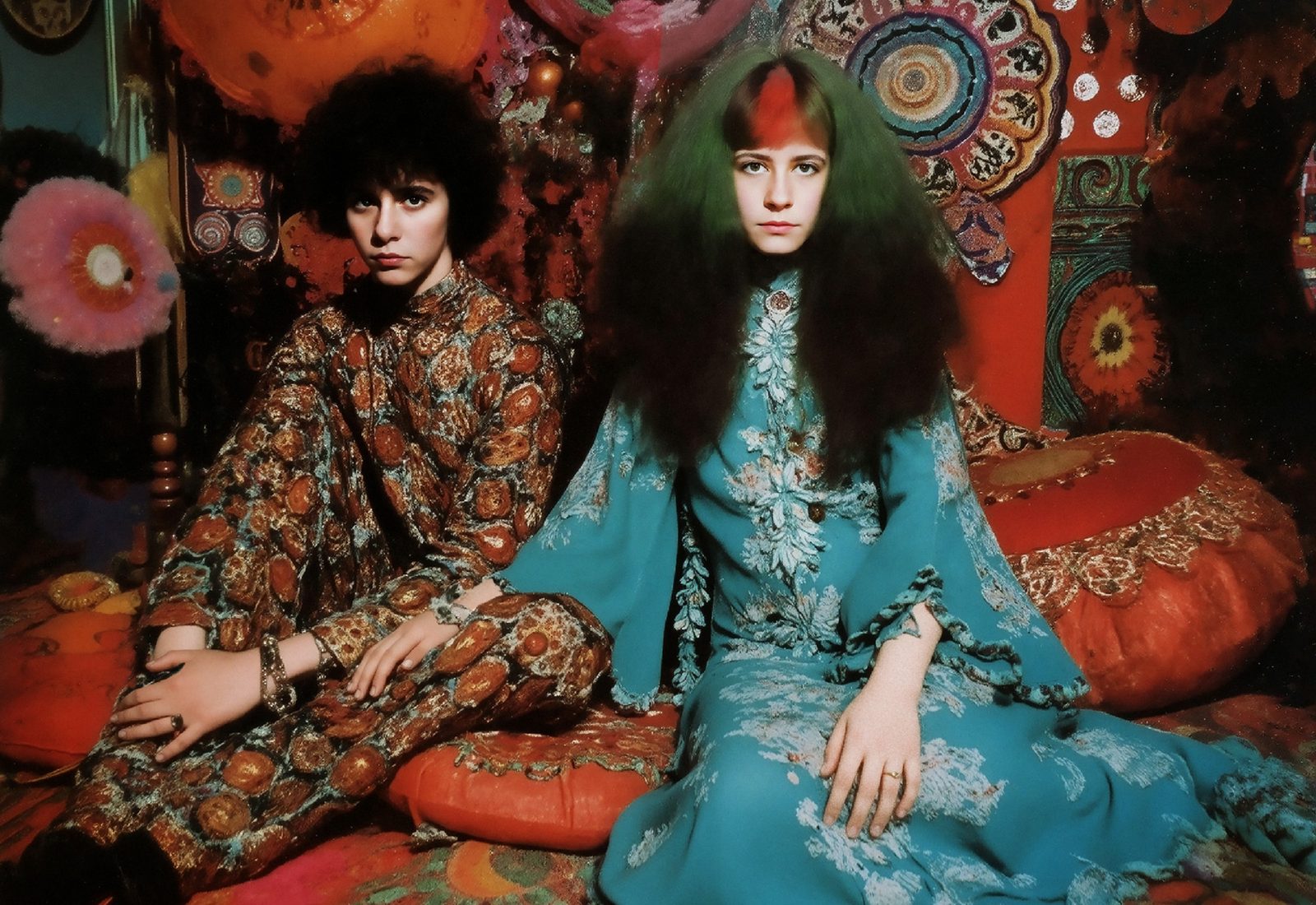
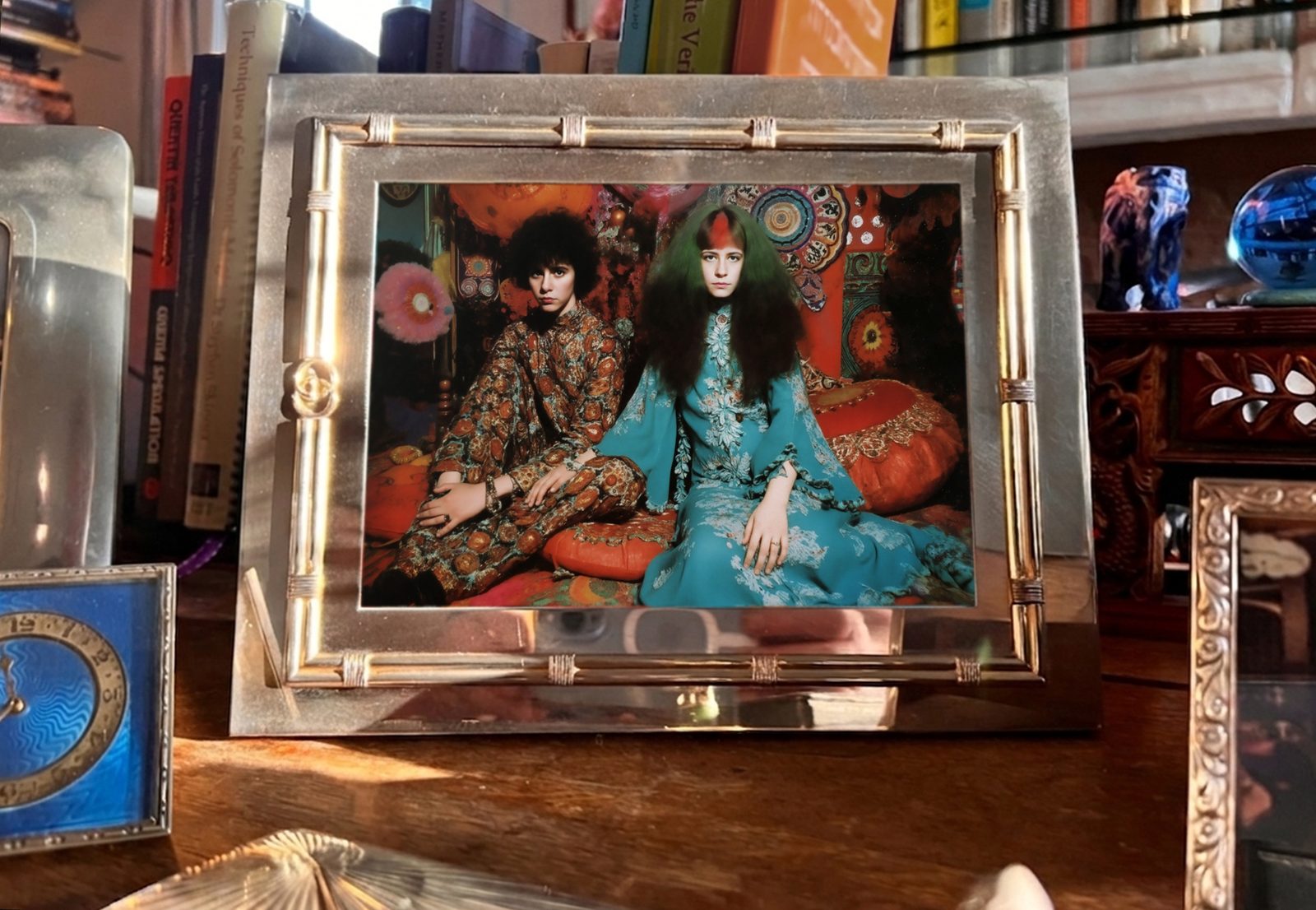
A portrait is the theater of self.
The decision to have one’s portrait made is an intimate act. It begins with a quiet question: how do I wish to be seen?
There is a moment — and anyone who has experienced it recognizes it — when the ordinary self recedes. Something quieter and more deliberate steps forward.
Portraiture has always been theater in the highest sense: a stage upon which identity is not merely recorded, but composed. Gesture becomes grammar. Light becomes architecture. The stillness of a hand, the direction of a gaze, the atmosphere surrounding the figure — these form the language through which a life becomes legible to time.
Not simply for the passing present, but for the long gaze of the future.
To sit for a portrait is to enter a reflective space where identity becomes deliberate.
Within Artefakt, this inquiry unfolds slowly. The sitter is invited into the process — not simply observed, but engaged in shaping the image through conversation, reflection, and visual study. Together, sitter and portraitist discover the language that most truthfully reflects a temperament — its gesture, posture, atmosphere, light, and presence.
The sitter is not captured. They are composed.
The goal is not merely likeness.
It is recognition.
A portrait should allow the sitter to encounter themselves with unusual clarity: not as they appear accidentally in daily life, but as they understand themselves when reflection and intention guide the image.
A portrait is not merely an image. It is a presence.
For centuries, portraits occupied a particular role within the private life of houses. Holbein did not merely paint Henry VIII — he created him.
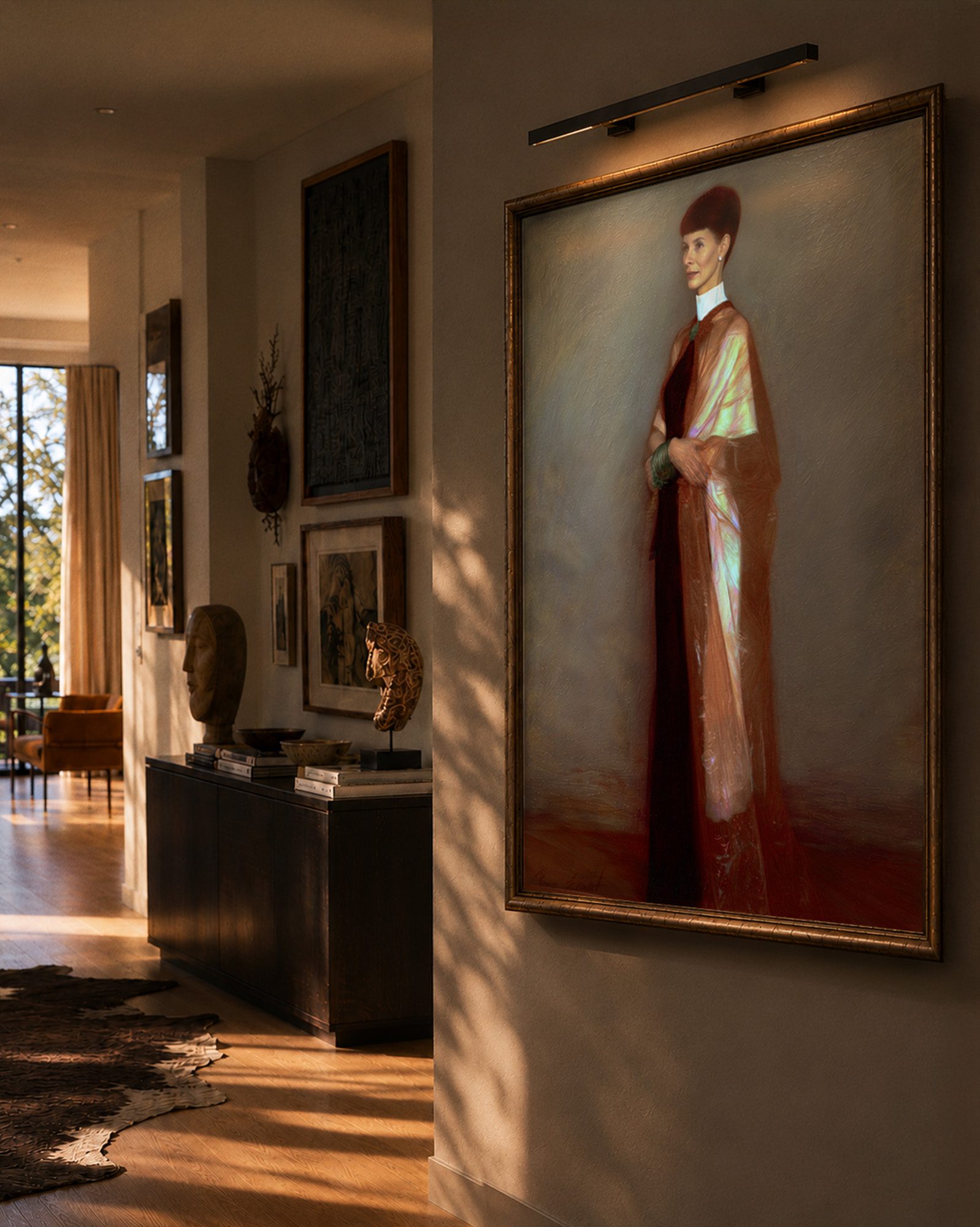
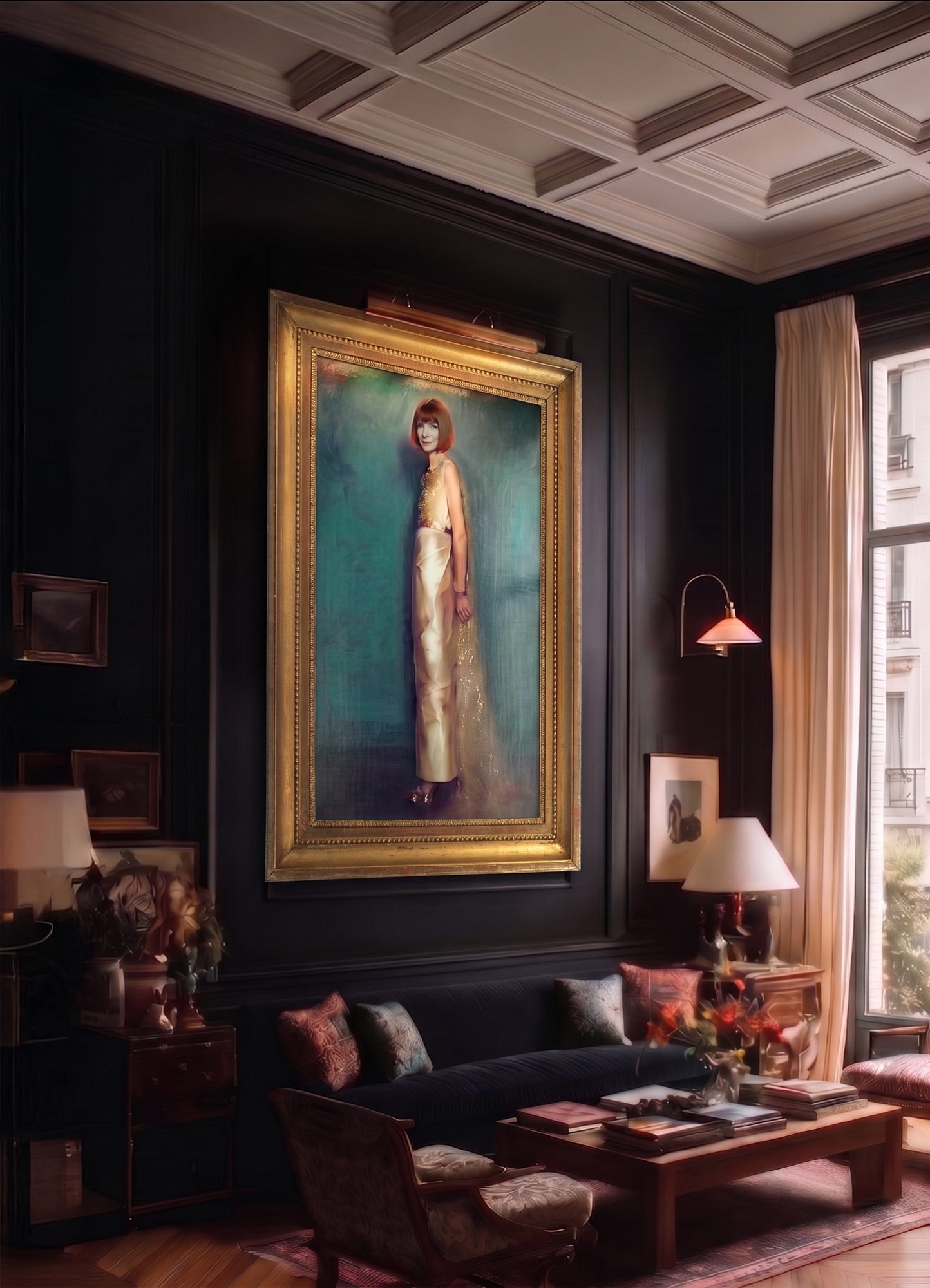
Portraits did not simply decorate rooms. They anchored them. The human figure introduced a particular gravity around which furniture, light, proportion, memory, and architecture could gather.
A portrait is the only object in the room that looks back.
Over time, a portrait gathers life around it.
It inhabits rooms, accompanies the passage of time, and becomes part of the emotional inheritance of a place. What begins as an encounter between sitter and portraitist gradually becomes something larger: a witness to lives, rooms, relationships, and generations.
An image is looked at; an object is lived with.
Artefakt conceives the portrait accordingly — not as a passing image, but as an object made to assume its place within a life.
Artefakt uses contemporary processes to breathe fresh life into the enduring tradition of portraiture.
Each work is developed slowly and deliberately, with attention not only to resemblance, but to temperament, presence, atmosphere, and the world in which the portrait will live.
Portraiture executed with taste, precision, and a measure of enchantment.
Portraits made to endure.
Presence made permanent.
Andrew Reznik spent twenty years in production design, building worlds for other people. Alongside that work, he was quietly making portraits — privately, by word of mouth, for people who never thought to call it a commission.
He trained in painting at Parsons at sixteen, studied art history and comparative literature at Brown, and later received his MFA from CalArts. At the LA Opera, Robert Wilson introduced a visual philosophy that never left: the architecture of stillness, the ritual of gesture, and the symbolic weight hidden within restraint.
The worlds grew larger. The portraits grew quieter.
Those portraits entered the rooms of people’s homes and were rarely seen again. They became part of the lives around them.
Artefakt is that practice, finally given its name.

Secret Portraits of an Old Friend.
Read the full pieceIf you are considering a portrait, I invite you to begin with a conversation.
Perhaps you have arrived here with someone in mind — yourself, a partner, a parent, a child, someone whose story deserves to be held in a different kind of light. I would be glad to hear from you, and there is no obligation in writing.
There is no standard commission. There is no catalogue. What I make, I make for one person at a time, with complete attention.
The work unfolds in stages. It begins with conversation — your story, temperament, the rooms the portrait will live among. From this comes the portrait’s direction: atmosphere, posture, setting. Visual studies follow, refined together over weeks until the essential character of the image is discovered. Only then is the portrait carried into its final form — a form chosen together — framed and installed into the life of your house, where its longer work begins.
Artefakt also works alongside interior designers and architects on portraits conceived for particular rooms.
Prefer to write directly? andrew@artefakt.art